Distance changes the reissue problem
At a hotel, a guest who cannot get into their room walks to a desk. At a dispersed site they may be twenty minutes away in the dark, and the person who can help may be asleep. That makes credential reliability worth more here than almost anywhere, and it makes the reissue procedure a genuine safety consideration rather than a service one.
Properties that run this well hold spare credentials at more than one point and give staff who are already out on site the ability to resolve an access failure without returning to reception.
Weather is continuous, not occasional
A band at a beach club is wet for an afternoon. A band at a camp is damp from dew every morning, rained on unpredictably and dried in the sun repeatedly, for the whole stay. That cycling is harder on natural fibres than one soaking is, and it is the specific reason cord-and-bead constructions that look right for the setting often age badly in it.
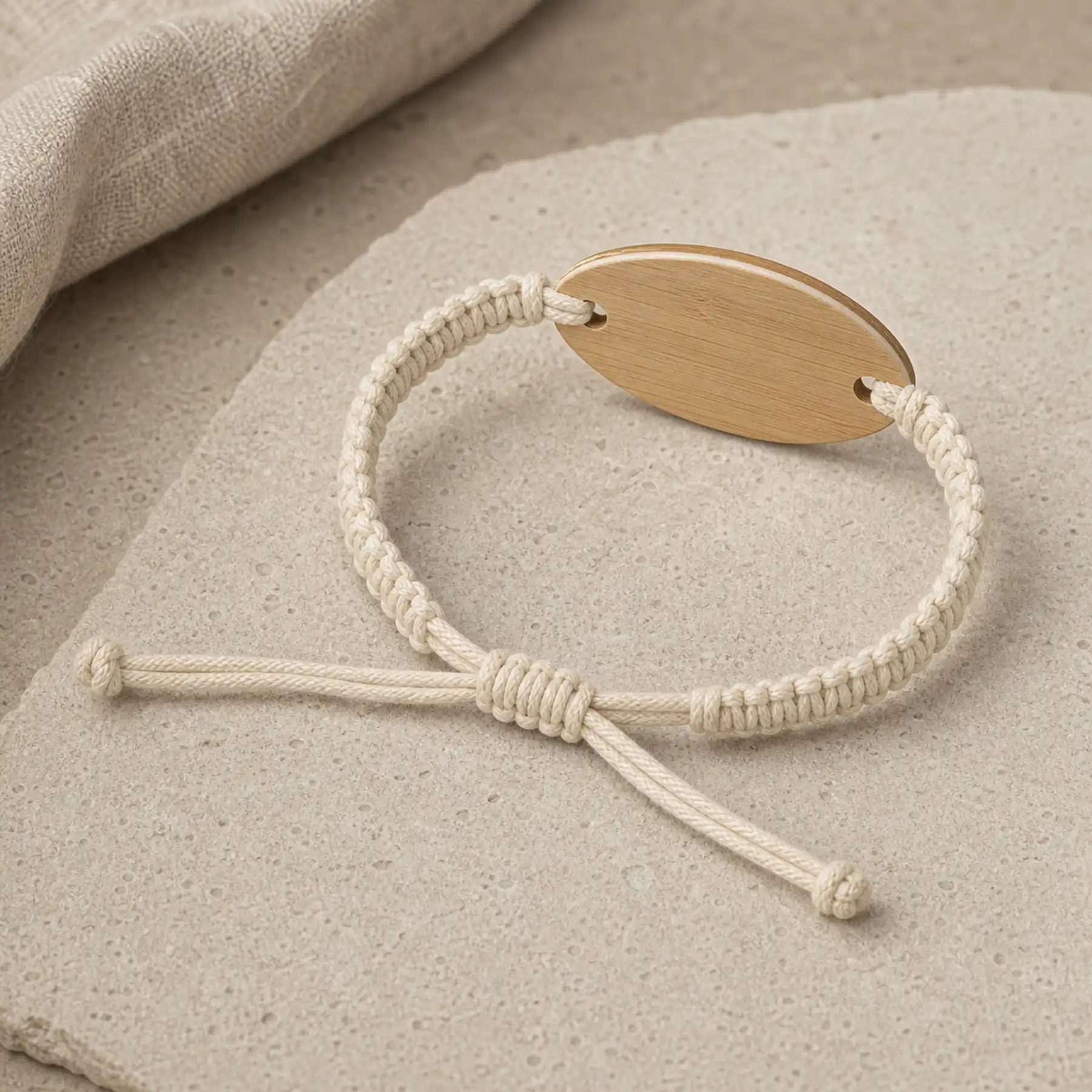
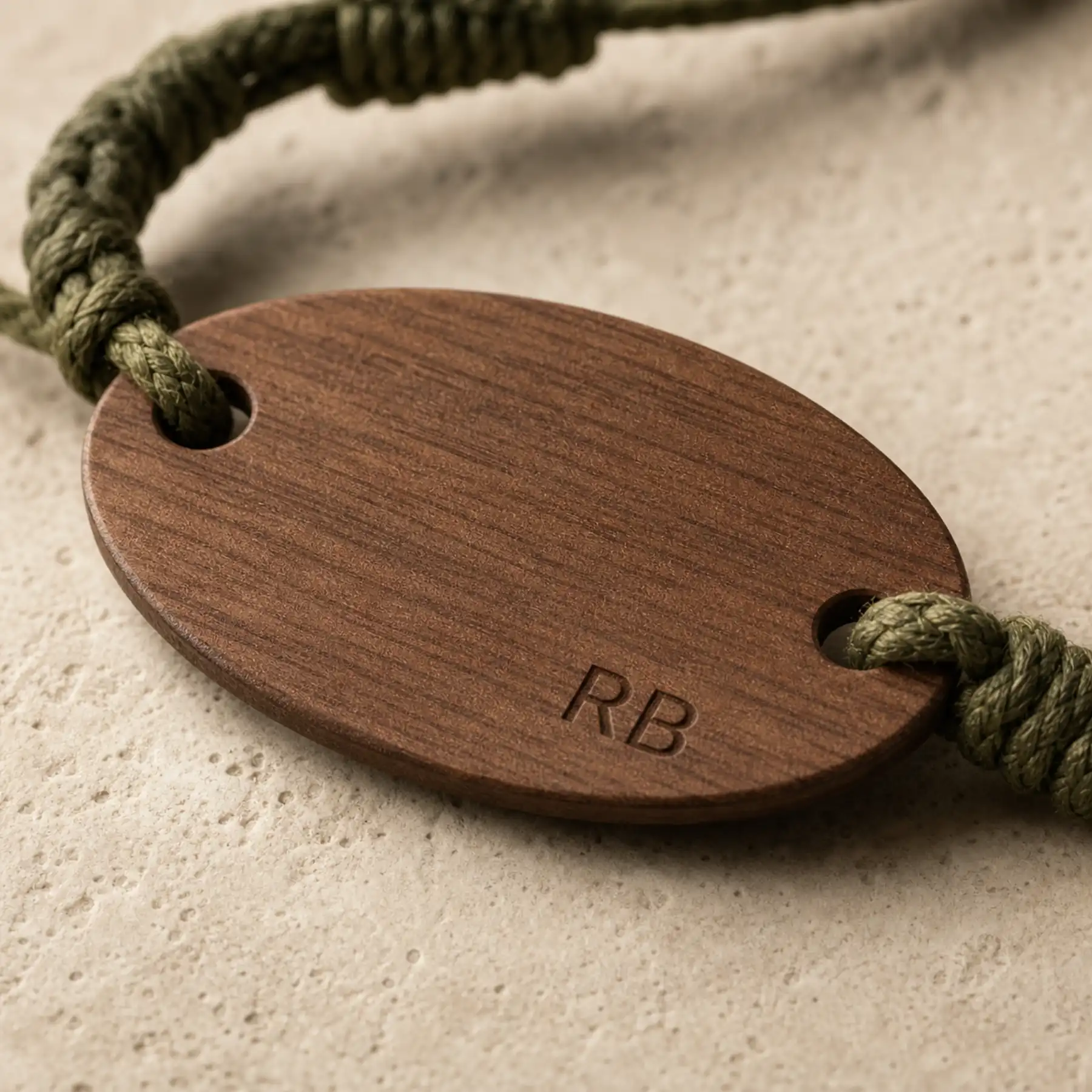
Sealed faces on moulded or rope straps hold up. Cotton cords and cork faces are the ones to be careful with — they suit the aesthetic and dislike the climate, which is a trade to make knowingly rather than discover.
Daily damp-and-dry cycling does more to a natural-fibre band over a fortnight than a single soaking does. Specify for the cycle, not for the storm.
Connectivity, and what happens when it drops
Many sites have intermittent connectivity across the landscape. What a credential does when the network is unavailable is a system question with a direct guest consequence: a guest standing at their tent at midnight does not care where the fault is.
That needs settling before the credential is chosen, because the answer sometimes changes the technology. It also needs a stated fallback that staff can execute — a physical override, a held master credential, a defined call route — rather than an assumption that it will not happen.
The credential as part of the experience
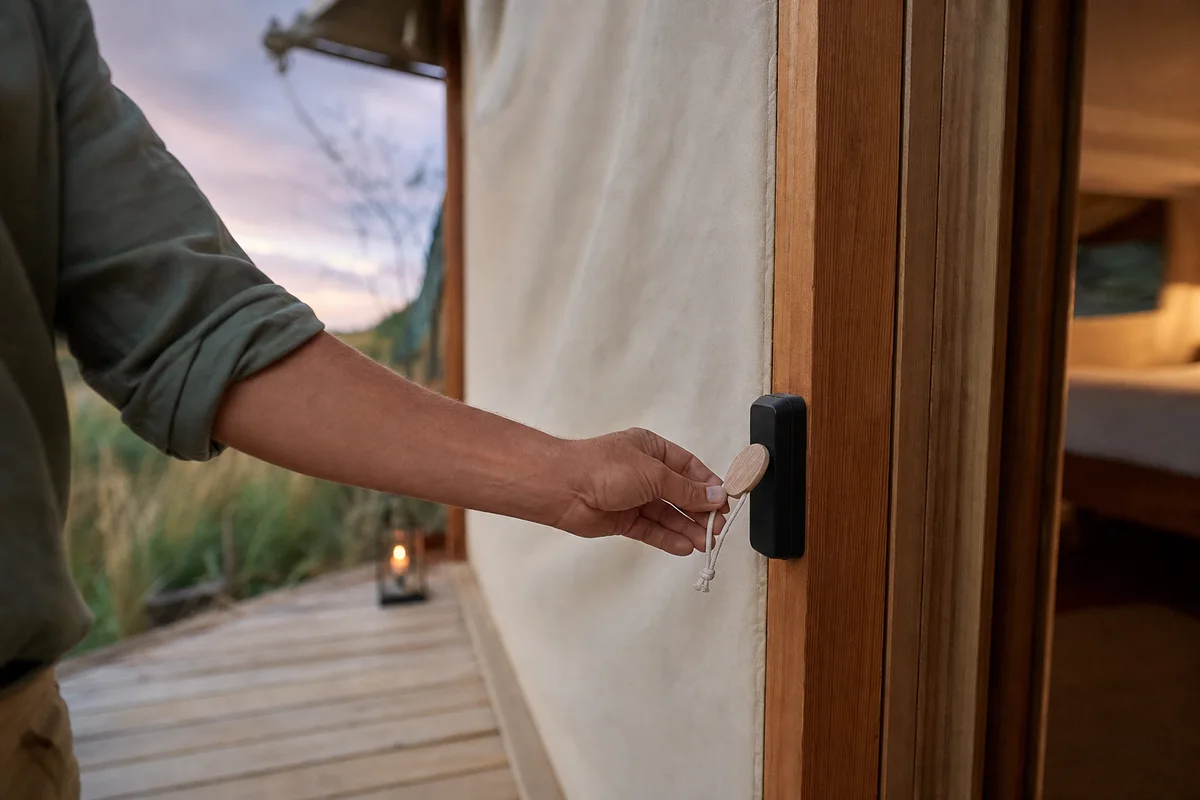
Guests choose these properties for a particular kind of atmosphere, and a plastic wristband with a printed logo sits badly in it. That is why wood, rope and fibre constructions are asked for so often here, and why we spend more time than usual narrowing them against the environment rather than simply agreeing.
A sealed wood face on a rope strap is usually the construction that satisfies both sides: it reads correctly for the setting and it tolerates the weather cycling that defeats softer options.
Wildlife, safety and the things a band should not do
Sites with animals, open fires and water features have safety considerations that outrank convenience. A credential that cannot be removed quickly is the wrong choice for a child at a camp, and anything with a long tail or a loose cord is worth reviewing against the activities on offer.
We would rather ask about the site’s activities than assume a resort pattern applies. The right answer at a safari camp is sometimes a card in a pocket rather than anything worn at all.
Small sites, small orders, long horizons
A 20-unit camp with a 500-piece minimum per artwork is buying a horizon rather than a season. That makes recovery worth designing for: a credential recovered at checkout and reissued is a credential that keeps the order small and the stock fresh.
It also makes a plain, dateless artwork more valuable than a distinctive one — stock that stays usable for years rather than becoming last season’s design.
Staff credentials in a dispersed operation
Staff at these sites move between guest areas, back-of-house and vehicles, often in weather, often for months. A pouch construction with a replaceable credential suits that better than a sealed band, because the credential turns over with seasonal staffing while the band does not.
Where staff also drive or operate equipment, check that a wrist-worn credential is appropriate at all — sometimes a pocket-carried format is simply safer.