What these guides are
Each one walks through a decision a property actually has to make — which format, how many, how to run a sample, how to reorder without surprises, what to write about materials — and says what the answer depends on rather than what we would like to sell.
They assume no prior knowledge of credentials and no patience for the parts that do not matter. Where a decision has a genuinely conditional answer, it says so instead of offering a general reassurance.
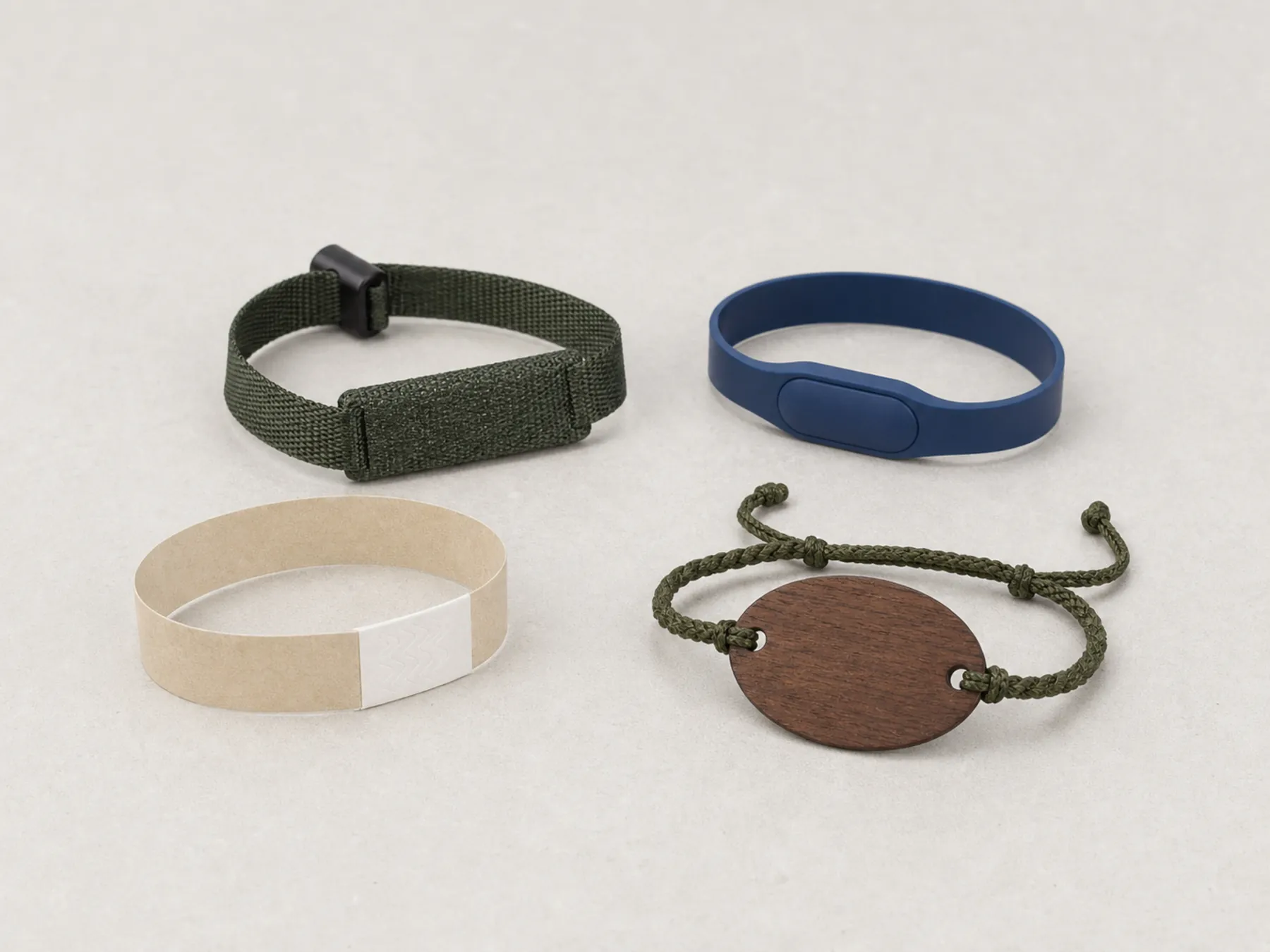
Where to start
If you are specifying credentials for the first time, start with the format question and the quantity arithmetic — those two settle more than anything else, and they are where most orders go wrong before a product is even chosen.
If you already have an estate and it is not working, the reorder and migration guides are usually where the answer is. If you are about to brief a supplier, the briefing guide and the twelve questions are worth half an hour.
The four most useful for a first specification:
- Card, wristband, or both — the format decision, made deliberately
- How many credentials to actually order — the arithmetic that applies
- How to run a sample approval — a week of real wear, with acceptance criteria
- Writing a credential brief — what a supplier needs in order to answer properly
How these differ from the technical reference
The technical reference explains how something behaves — frequency, read range, lamination, closures. These guides explain what to do about it. Where a guide touches a technical point it links across rather than repeating it.
The resort-use pages sit alongside both: they describe how a particular setting loads a credential, which is what narrows the choices before any of these decisions are made.