Eight families, and how to choose between them
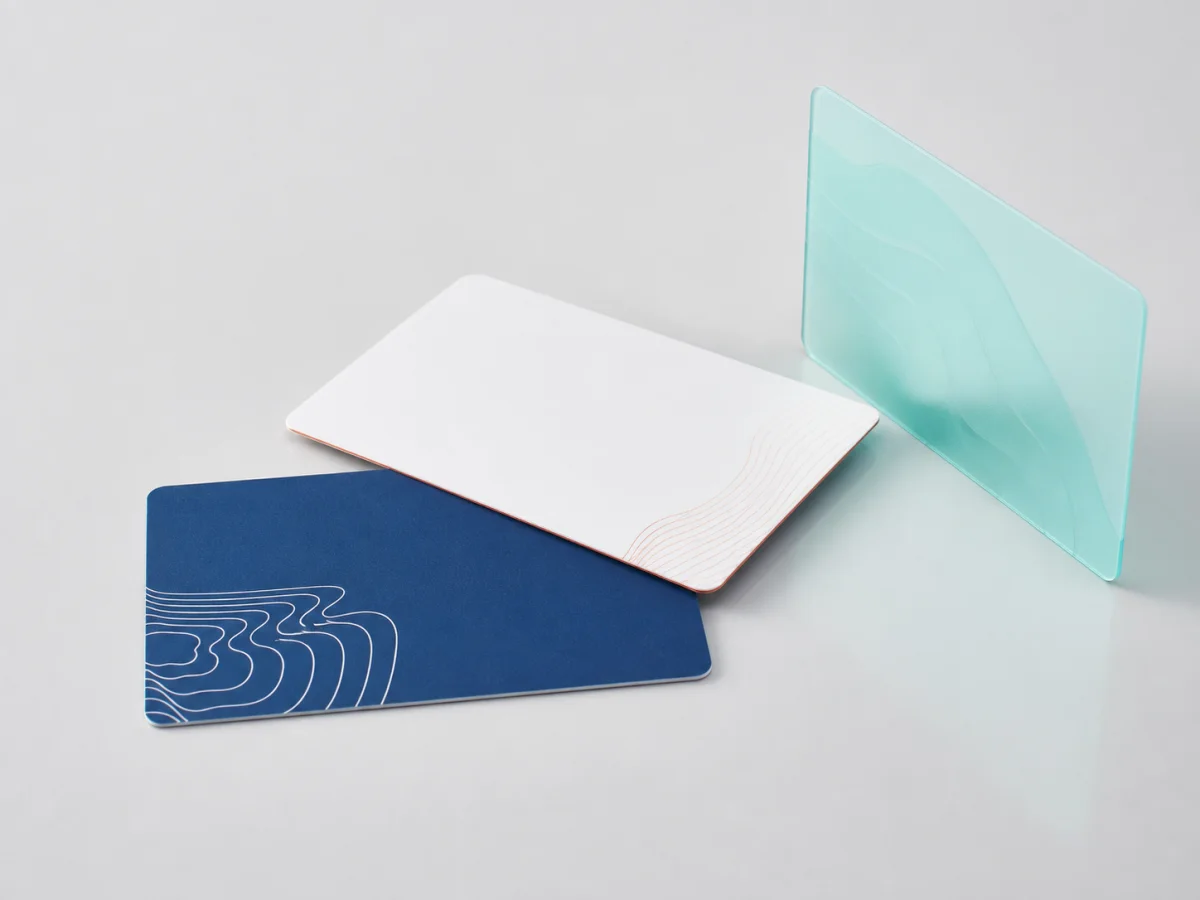
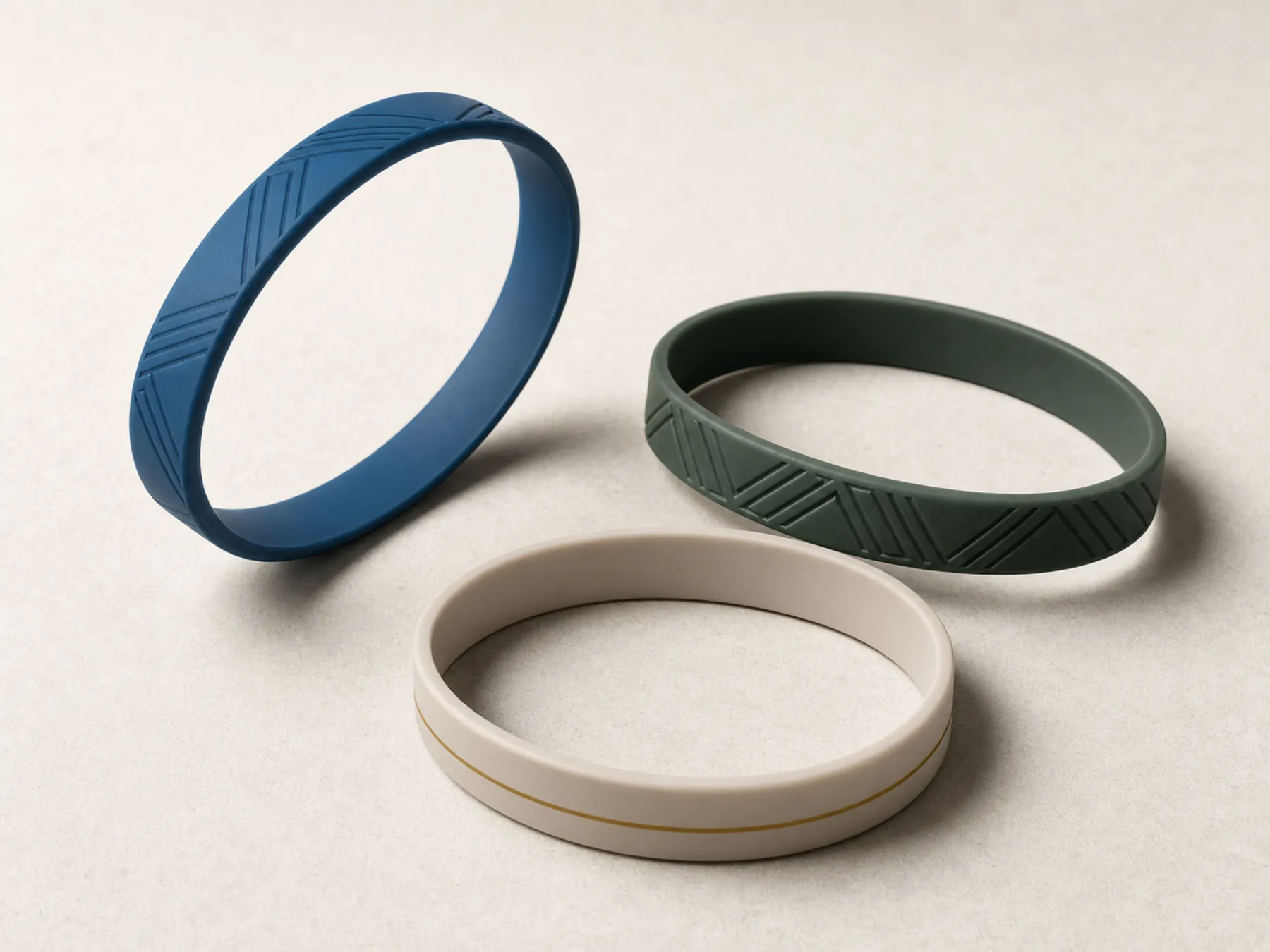
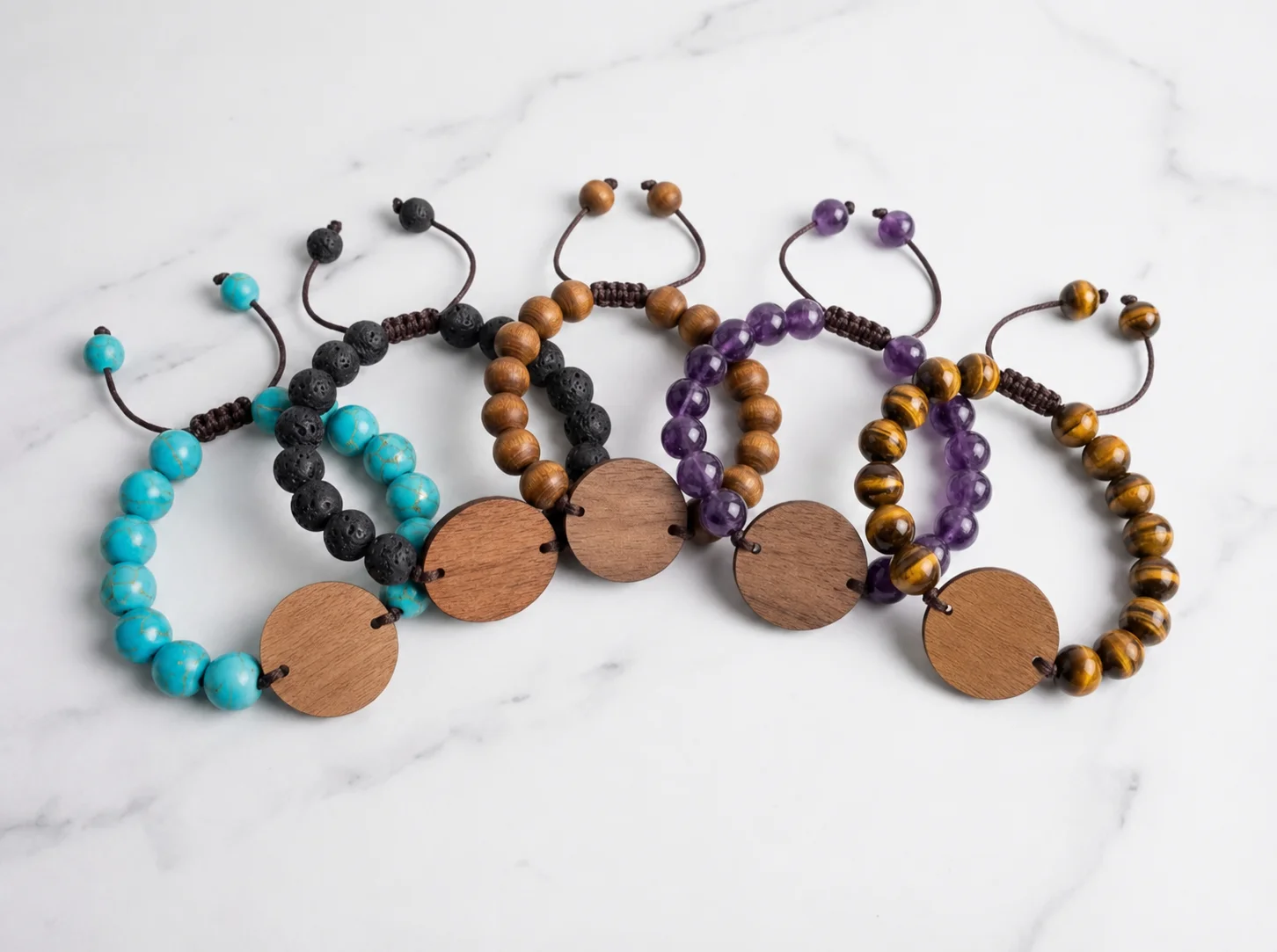
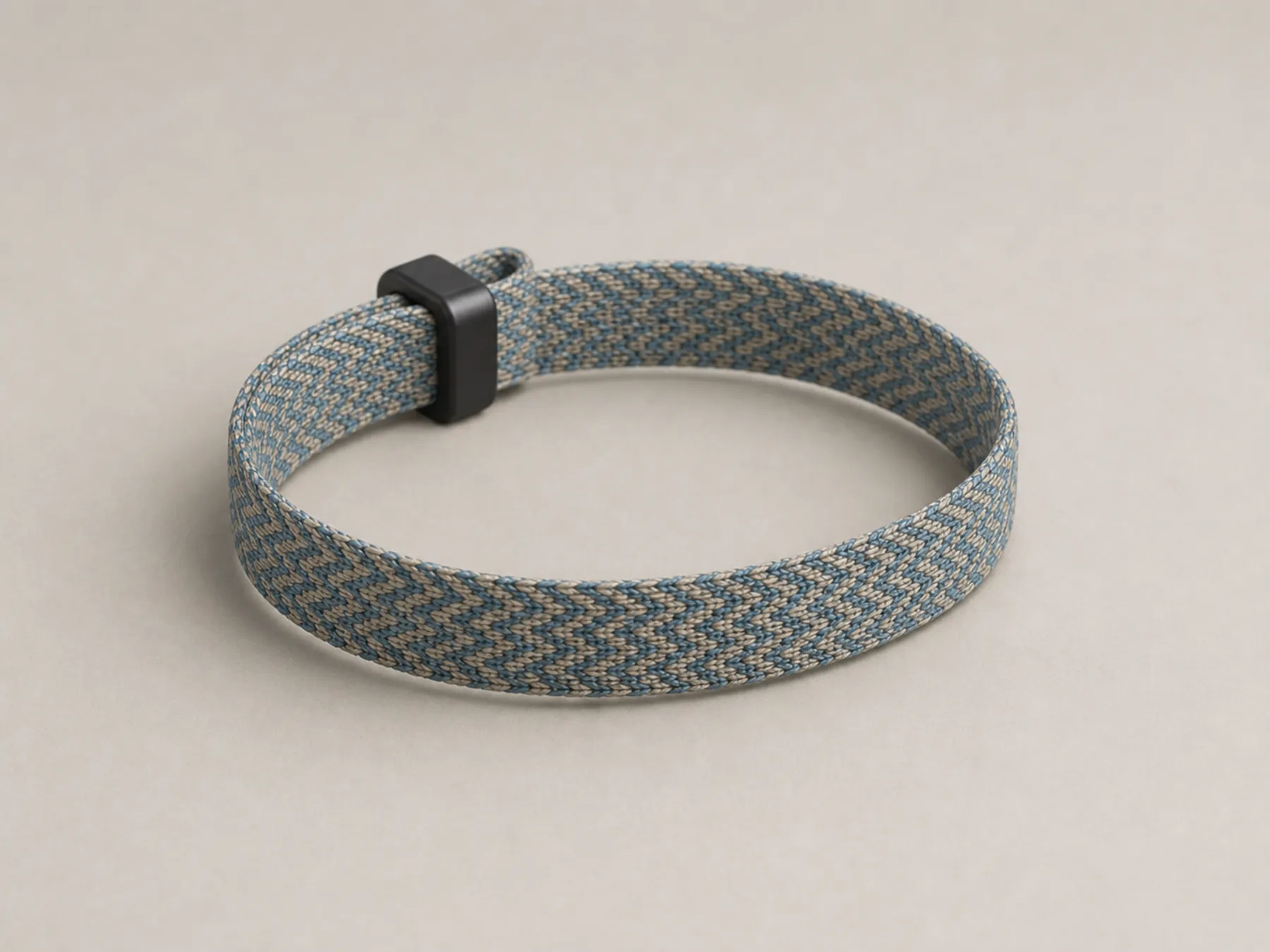
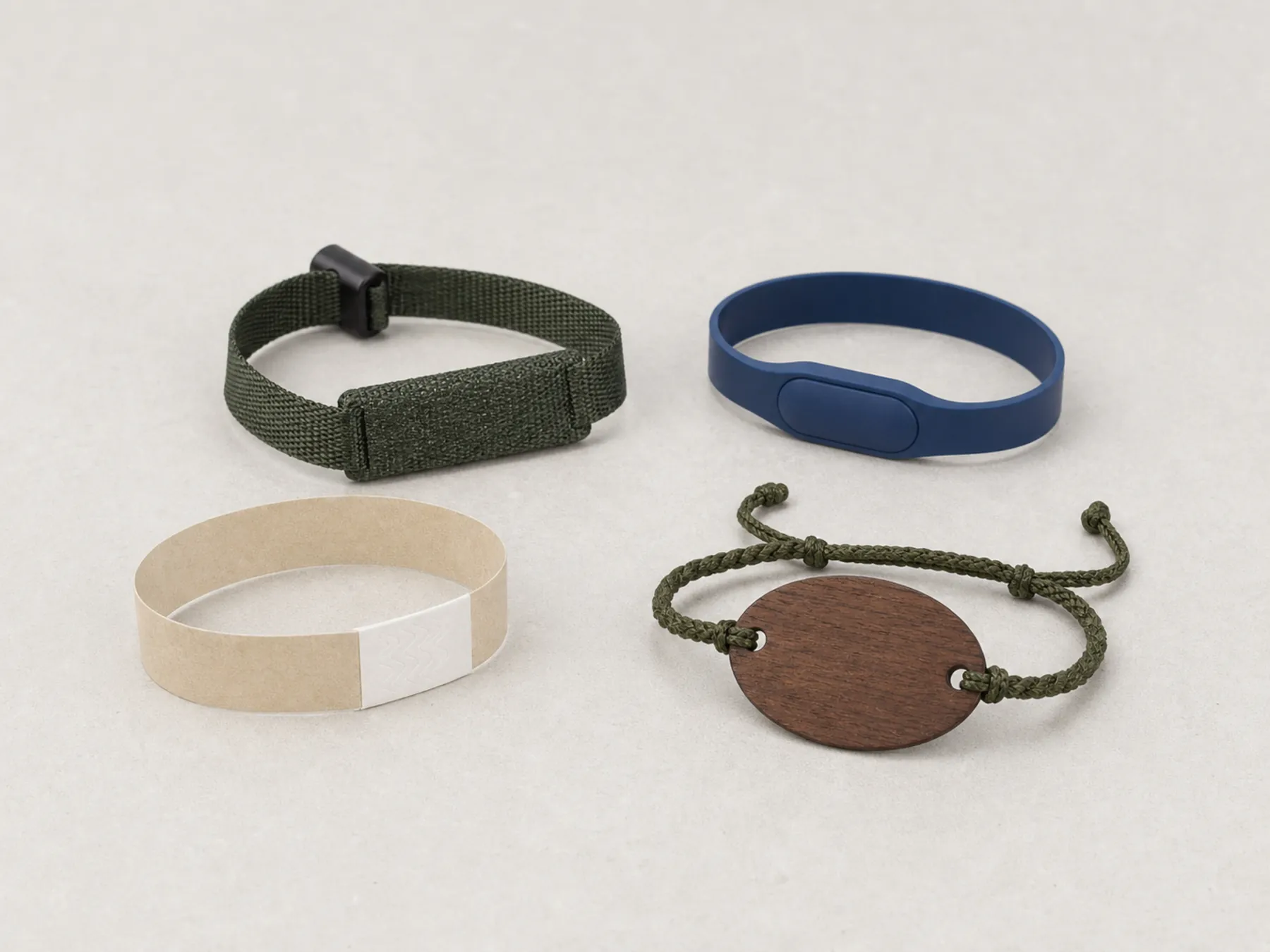
The range is organised by what the credential has to survive rather than by how it looks. Cards for the front desk and the pocket; moulded wristbands for water; woven and fibre bands for comfort over a full stay; wood, cork and bead constructions where the credential should read as an object; day credentials for visitors; and a system page for properties running several of those at once.
Almost every property ends up with two: one durable credential for residents and one cheap, visually distinct credential for day visitors. The interesting question is rarely which single product is best — it is which two, and how they relate.
- Cards
- Fast at a desk, large artwork, pocketable. Lost at pools.
- Moulded wristbands
- Water, reuse, closure choice. Reads as leisure equipment.
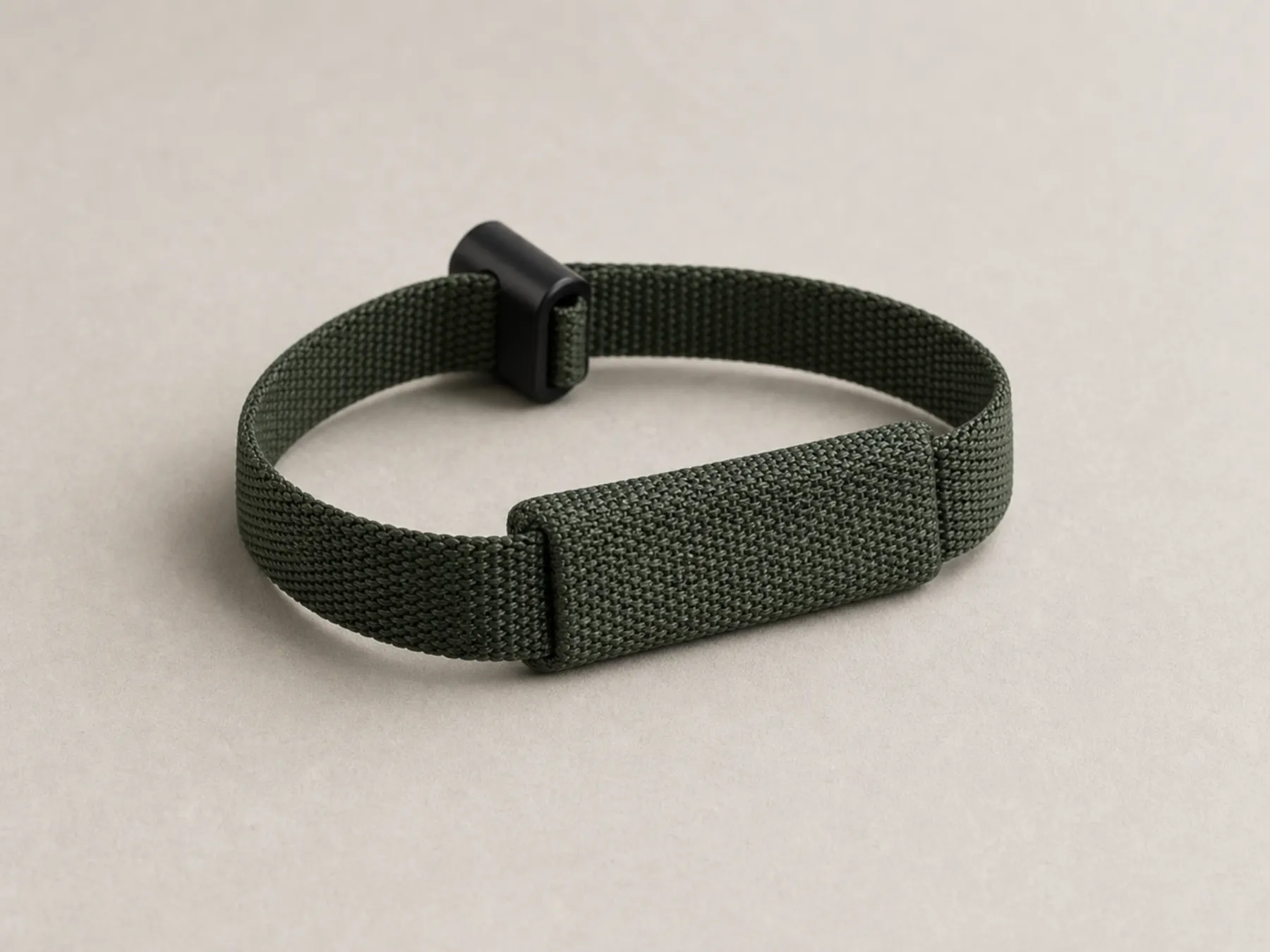
- Woven and fibre bands
- Comfortable for a full stay, artwork in the weave. Holds water.
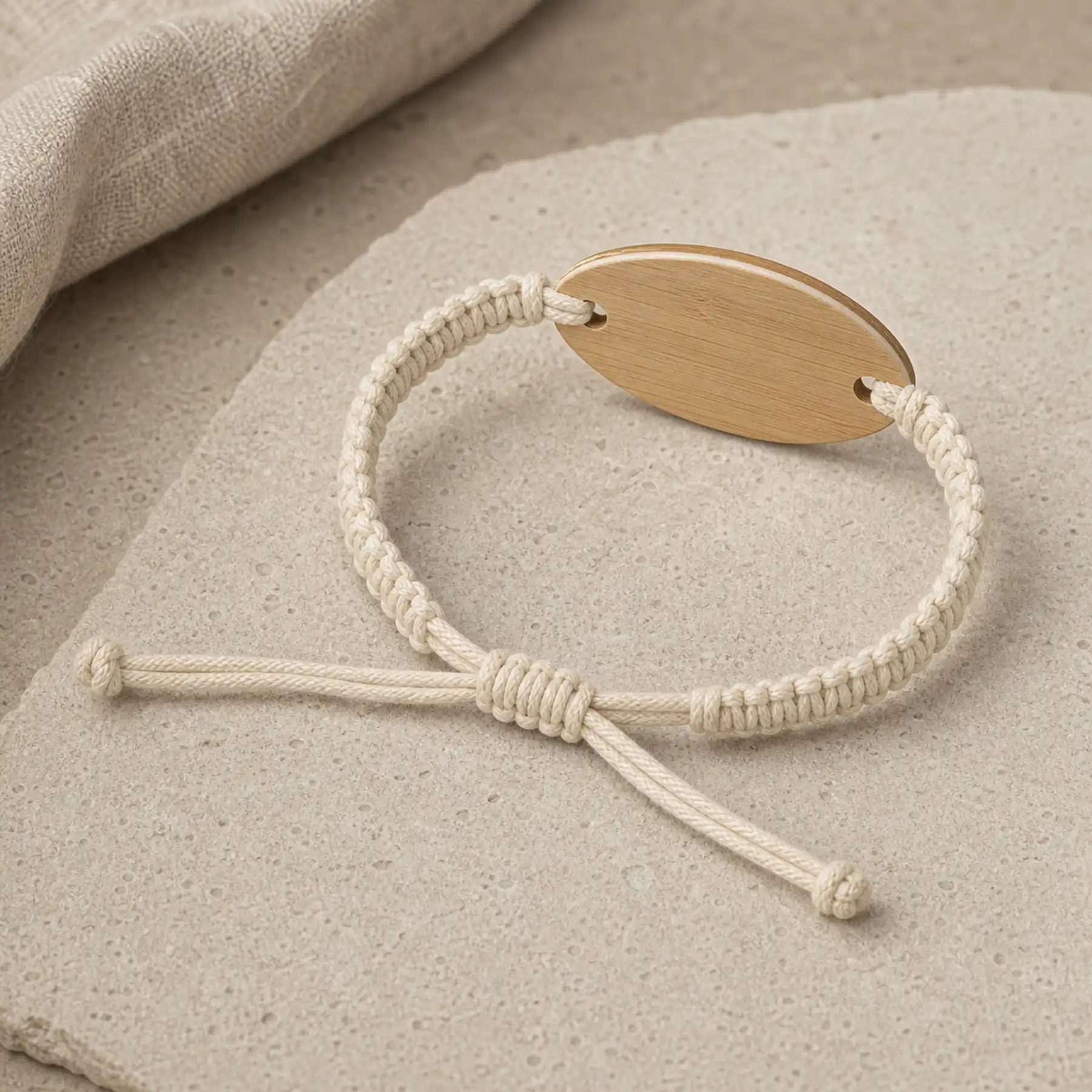
- Wood, cork and bead
- Reads as an object, engraved marks. Splash, not swimming.
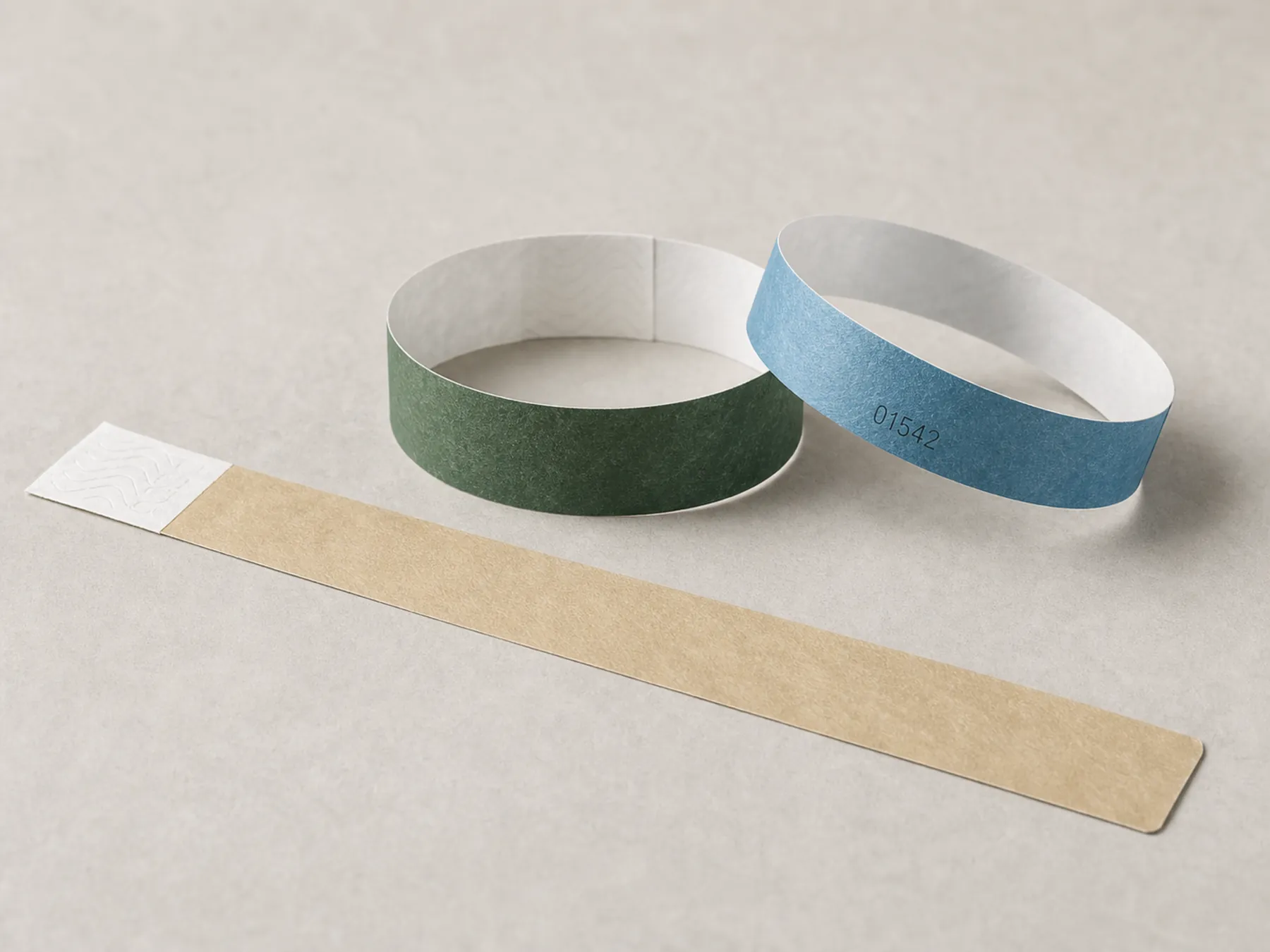
- Day credentials
- Cheap, tamper-evident, single use. Paper is dry-only.
- System
- Several formats specified as one identity, numbering and reorder record.
Five inputs narrow the range faster than a catalogue does
Wear period, water exposure, who is wearing it, whether it comes back, and whether transfer has to be controlled. Those five answers usually reduce eight families and thirty-one models to two or three worth sampling.
They also settle arguments that look like preferences. A property that recovers credentials cannot use a one-way closure; a property issuing to children needs a closed loop whatever the adults are wearing; a property whose guests swim daily cannot have a fabric strap however well it suits the interior.
Answer these before shortlisting:
- How long is it worn — a day, a stay, a season, a year?
- What is the daily moisture pattern, not the worst day?
- Which populations receive it, including children and staff?
- Is it recovered and reissued, or issued once?
- Does it have to be non-transferable?
What every product here shares
Compatibility confirmed against the installed system before production rather than inferred from a product name. Artwork approved on a production-realistic sample rather than a flat proof. Counted, range-labelled supply. A reorder record that keeps a repeat run identical to the approved one.
Minimum order is 500 pieces per artwork, with 14–21 days production after artwork approval. Colours and moulded sizes are separate counts, which is why artwork restraint controls an order more than headcount does.