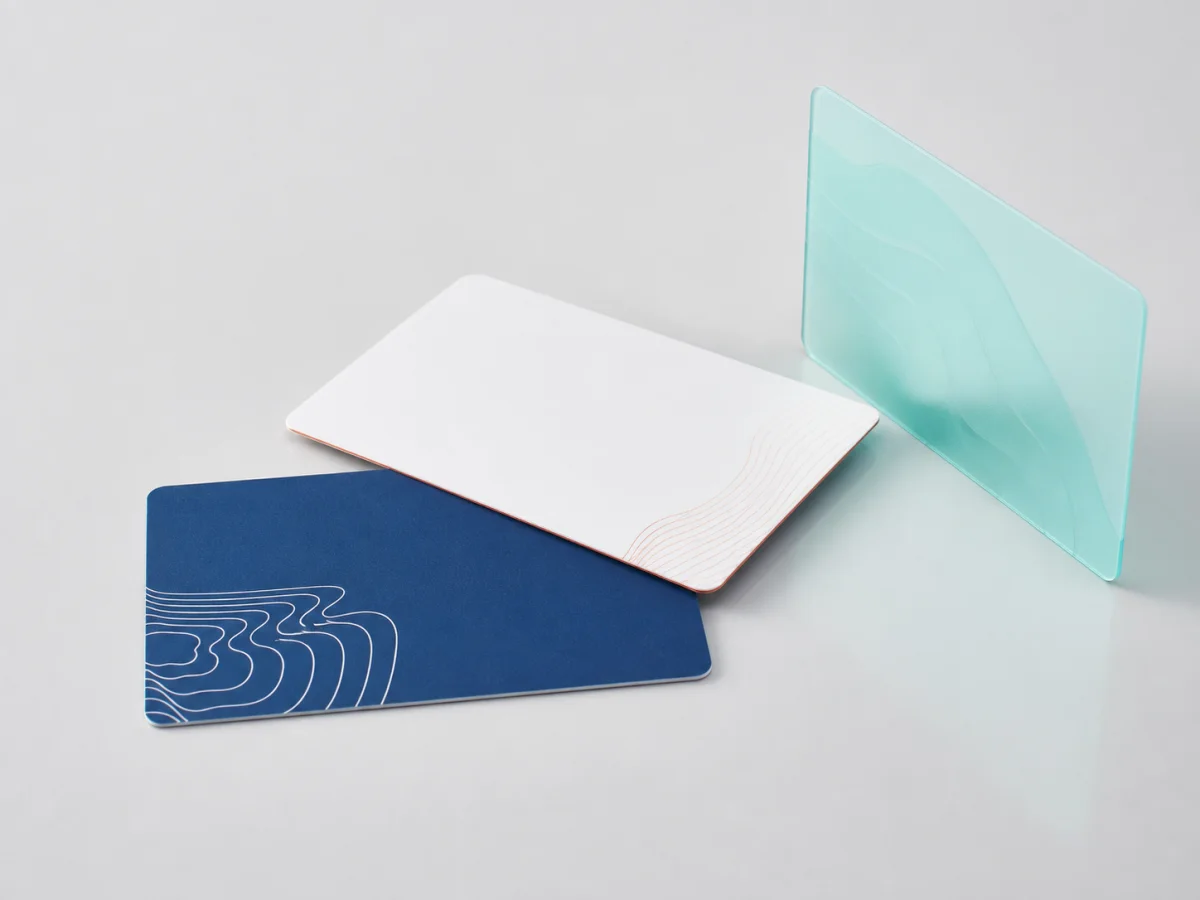
Properties often assume the wristband holds the guest’s details. Almost always it holds a number, and everything else lives in a system — which is a better arrangement for privacy and for operations alike.
- The identifier model
- Where structured memory is genuinely used
- What this means for privacy
- Capacity is rarely the constraint
- Cards, wristbands and the same identity
The identifier model
In the common arrangement, a credential presents an identifier and the property’s system decides what that identifier is allowed to do. The credential holds no name, no folio, no balance and no permissions.
That is worth understanding because it answers a lot of questions at once: a lost credential exposes a number rather than a guest record; changing a guest’s permissions is a system action rather than a re-issue; and a credential does not need to be updated when a booking changes.
Where structured memory is genuinely used
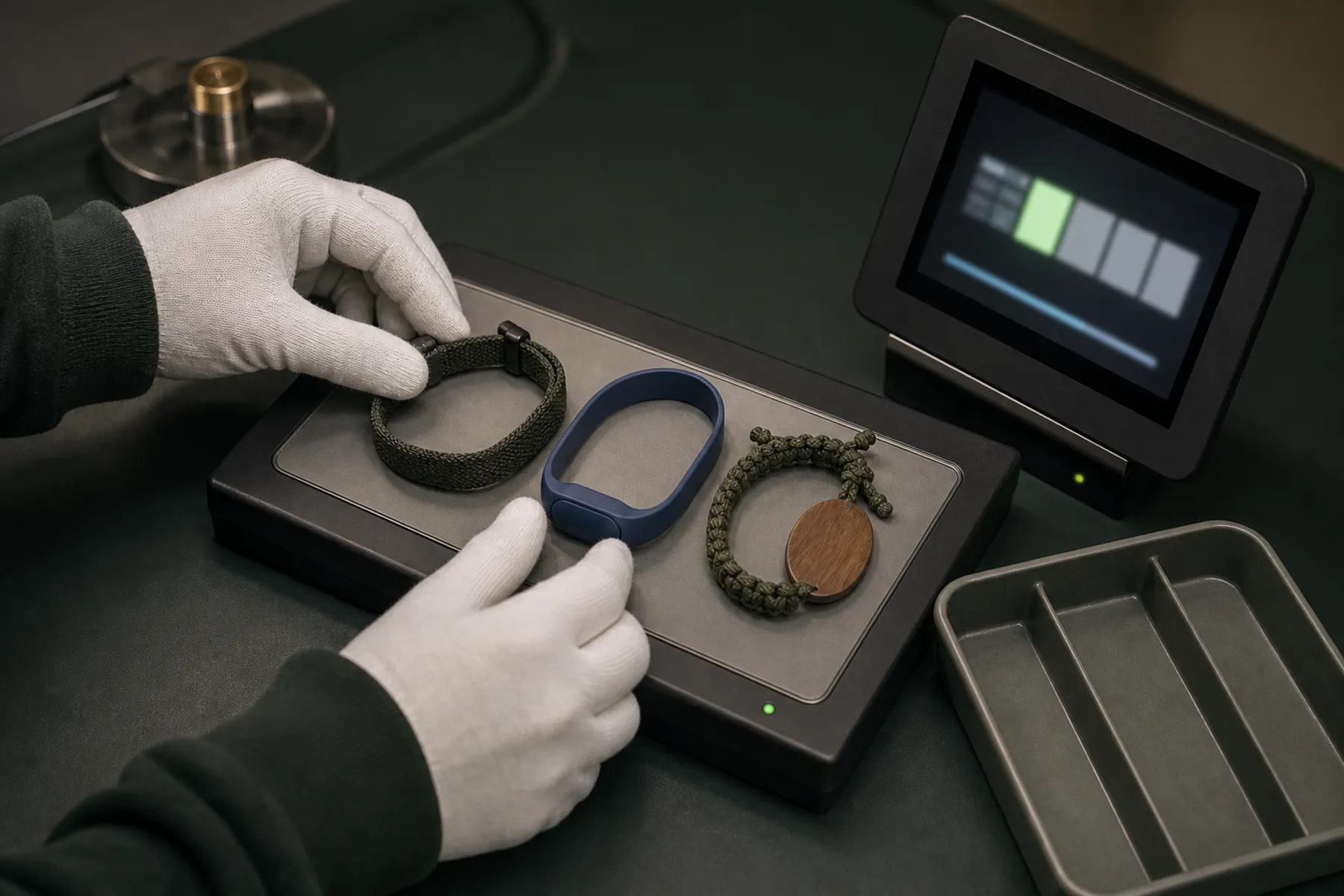
Some lock systems write access data to the credential itself, so a door can decide without a live connection. Where that is the case, the credential type and its memory structure are dictated by the lock system, and the property has no latitude at all.
That is a strong argument for establishing the system requirement first: this is a case where the technical answer removes choices rather than adding them.
What this means for privacy
A credential that carries only an identifier is a much smaller privacy surface than most properties assume. The guest record sits in the property’s own systems, under whatever policy already governs them.
Where a property is writing anything else to a credential, that becomes a data question with the property as the decision-maker, and it should be a deliberate choice rather than a default that arrived with a product.
Ask what is written to the credential and what is looked up. If the answer is "an identifier, and everything else is looked up", most privacy and reissue questions answer themselves.
Capacity is rarely the constraint
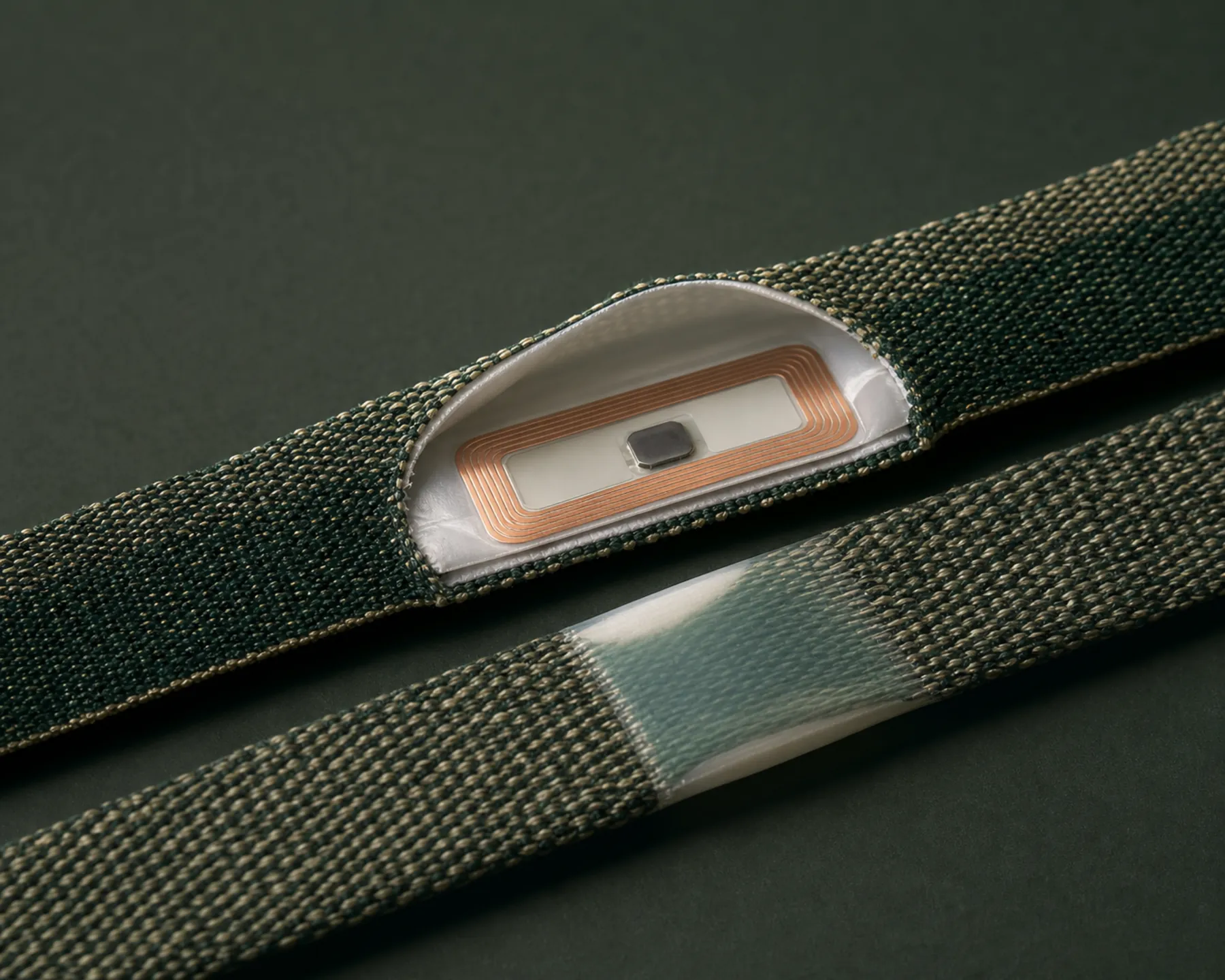
Buyers sometimes ask for more memory on the assumption that more is safer. In hospitality it usually is not needed, and specifying it can narrow the credential types available or add cost without any operational benefit.
The correct sizing question is what the lock system requires, plus anything the property has a concrete plan to write. Speculative capacity is a cost with no user.
Cards, wristbands and the same identity
Where a property issues both formats to the same guest, the two can carry the same identity or two identities linked in the system. Which is appropriate depends on the platform, and on whether the property wants to be able to disable one without the other.
Being able to disable a lost wristband while a guest keeps their room card is usually the more useful arrangement, and it argues for two linked identities rather than one shared one.
Compatibility is confirmed against the property’s lock system, credential technology and encoding requirements before production. We do not claim universal compatibility.
Questions this raises
01Does the wristband store guest details?+
Usually not. In the common arrangement it presents an identifier and your system holds everything else. That means a lost credential exposes a number rather than a guest record, and permissions change in the system without reissuing anything.
02Should we specify more memory to be safe?+
Rarely. Extra capacity can narrow which credential types are available and add cost without an operational benefit. Size it against what the lock system requires plus anything you have a concrete plan to write.
03Can a card and a wristband share one identity?+
They can, or they can be two identities linked in your system. Two linked identities is usually more useful, because it lets you disable a lost wristband while the guest keeps their room card.