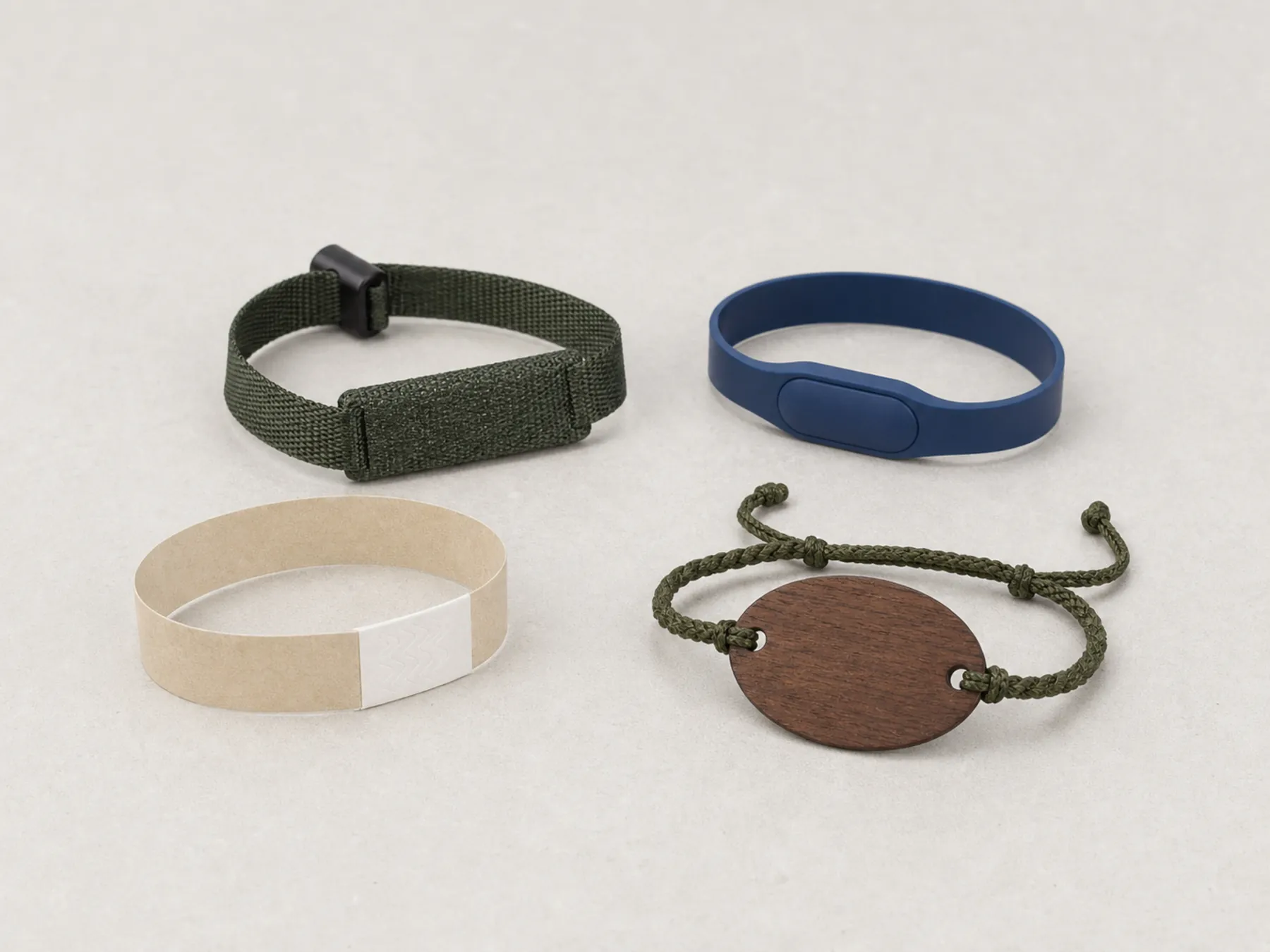
A credential run has one moment where a problem is cheap to fix, and it is before the goods leave. What is checked at that moment should be agreed at order time, not assumed.
- The checks that matter
- Why the approved sample is the reference
- Natural materials need a range, not a target
- Counting and labelling
- What to do on arrival
The checks that matter
Read verification across the run rather than on a single piece. Artwork and colour against the approved sample rather than against the file. Closure function, tested by operation rather than by inspection. Dimensional consistency where sizes are involved. And the count itself, against the labelled ranges.
None of those is exotic. What makes them useful is that they are agreed in advance, so a delivery is measured against a standard rather than against an opinion.
- Read verification
- Checked across the run, not on one sample piece
- Artwork and colour
- Against the approved physical sample, not the digital file
- Closure
- Operated rather than inspected — the failure is functional
- Sizing
- Consistency across each size where a size run is produced
- Count and labelling
- Blocks counted and ranges labelled as ordered
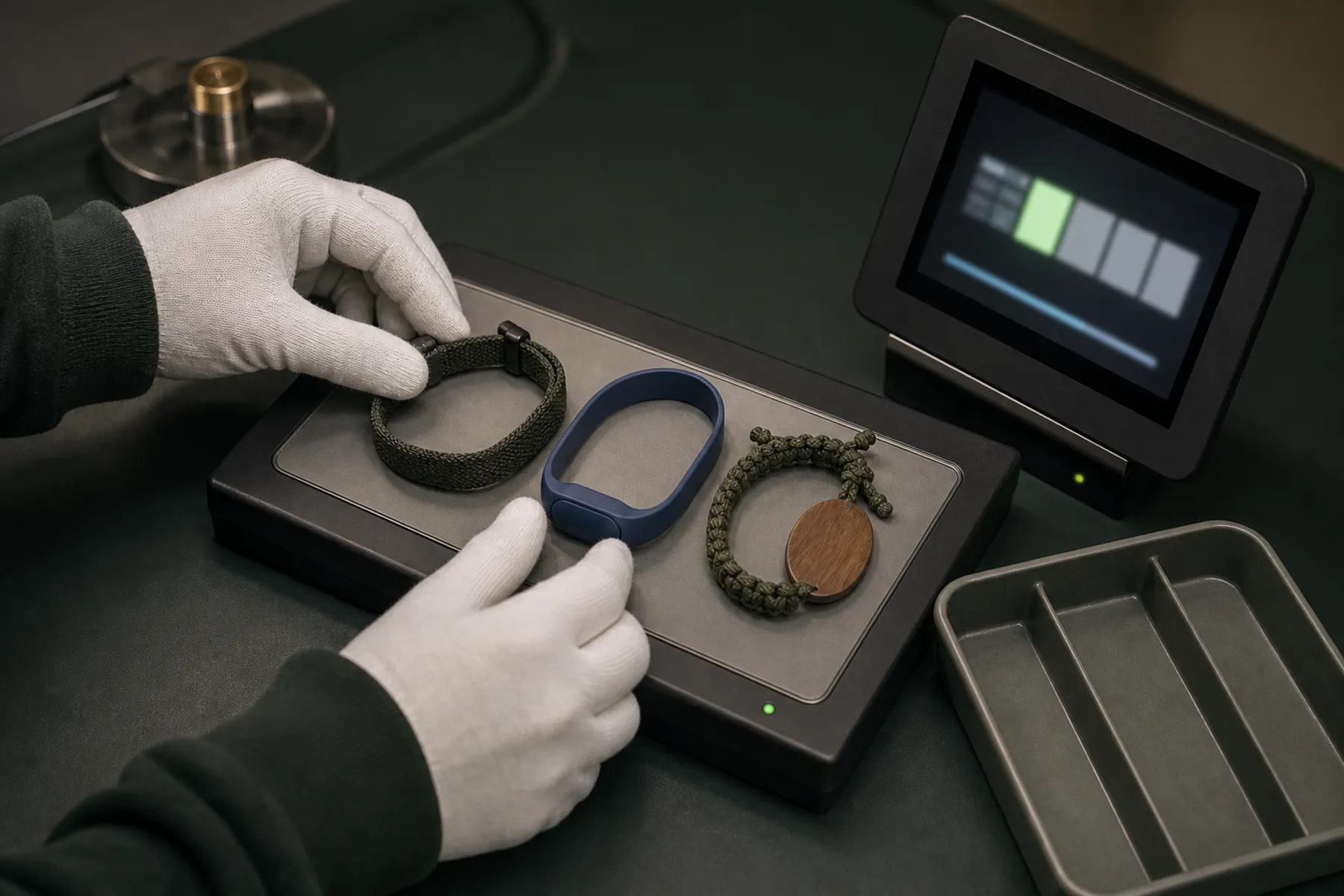
Why the approved sample is the reference
A digital file cannot settle whether a colour on a curved silicone surface matches, whether an engraving has the intended contrast on this batch of wood, or whether a woven mark has resolved as agreed.
The approved physical sample can. That is the reason it is retained rather than returned, and the reason a reorder is checked against it rather than against a memory of the last delivery.
Natural materials need a range, not a target
For wood, cork, stone and recycled yarn, a single approved sample is the wrong standard, because the material varies and a run that varies is correct rather than defective.
We approve a light and a dark sample as the acceptable band. A delivery is then assessable: within the range or outside it, rather than a discussion about whether a piece looks right.
On any natural material, approve the extremes of the acceptable range. It is what converts a subjective disagreement into a measurable check.
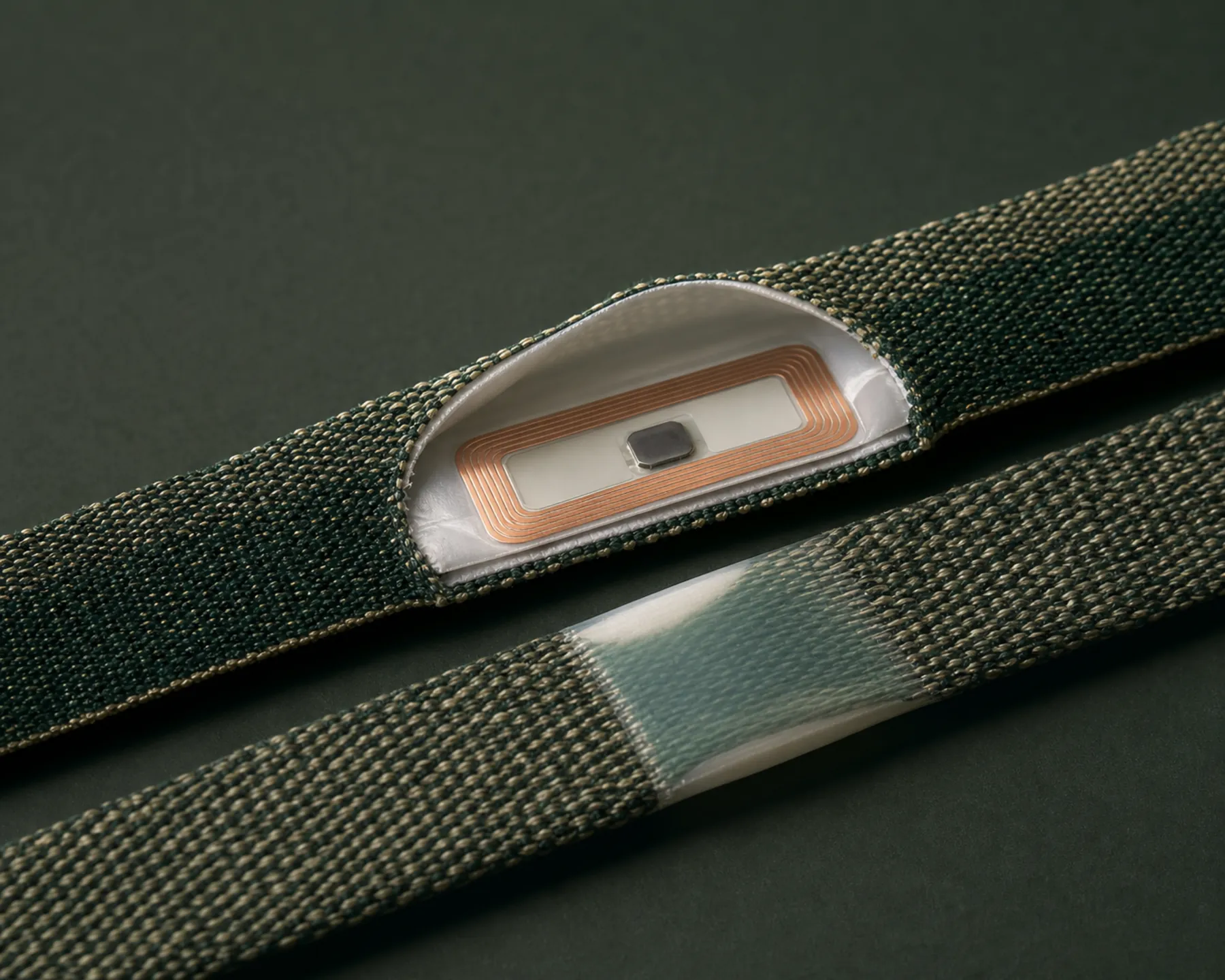
Counting and labelling
Counted, range-labelled blocks let a property record what arrived without opening everything, and let a busy issue point reconcile by block rather than by scanning. It is decided at order time and cannot be retrofitted.
It also matters when something is wrong: a problem traced to a labelled range is a contained problem, while a problem in an unlabelled delivery is a problem with the whole delivery.
What to do on arrival
Check the ranges against the paperwork, open one block, and take a credential to a real reader — not the desk unit — before the stock is put away. That five-minute step catches the small number of issues that survive a pre-shipment check.
Where anything is unexpected, record it against the range rather than generally. A specific report is actionable in a way that a general impression is not.
Compatibility is confirmed against the property’s lock system, credential technology and encoding requirements before production. We do not claim universal compatibility.
Questions this raises
01What is checked before shipping?+
Read verification across the run, artwork and colour against the approved physical sample, closure operation, size consistency, and the count against the labelled ranges. The value is in agreeing that list at order time so a delivery is measured against a standard.
02How is a natural material judged?+
Against an approved range rather than a single sample. We approve a light and a dark example as the acceptable band, so a delivery is either inside it or outside it instead of being a discussion about whether a piece looks right.
03What should we check on arrival?+
Ranges against the paperwork, then open one block and present a credential at a real reader rather than a desk unit before the stock is put away. Record anything unexpected against the specific range, because a contained report is actionable.