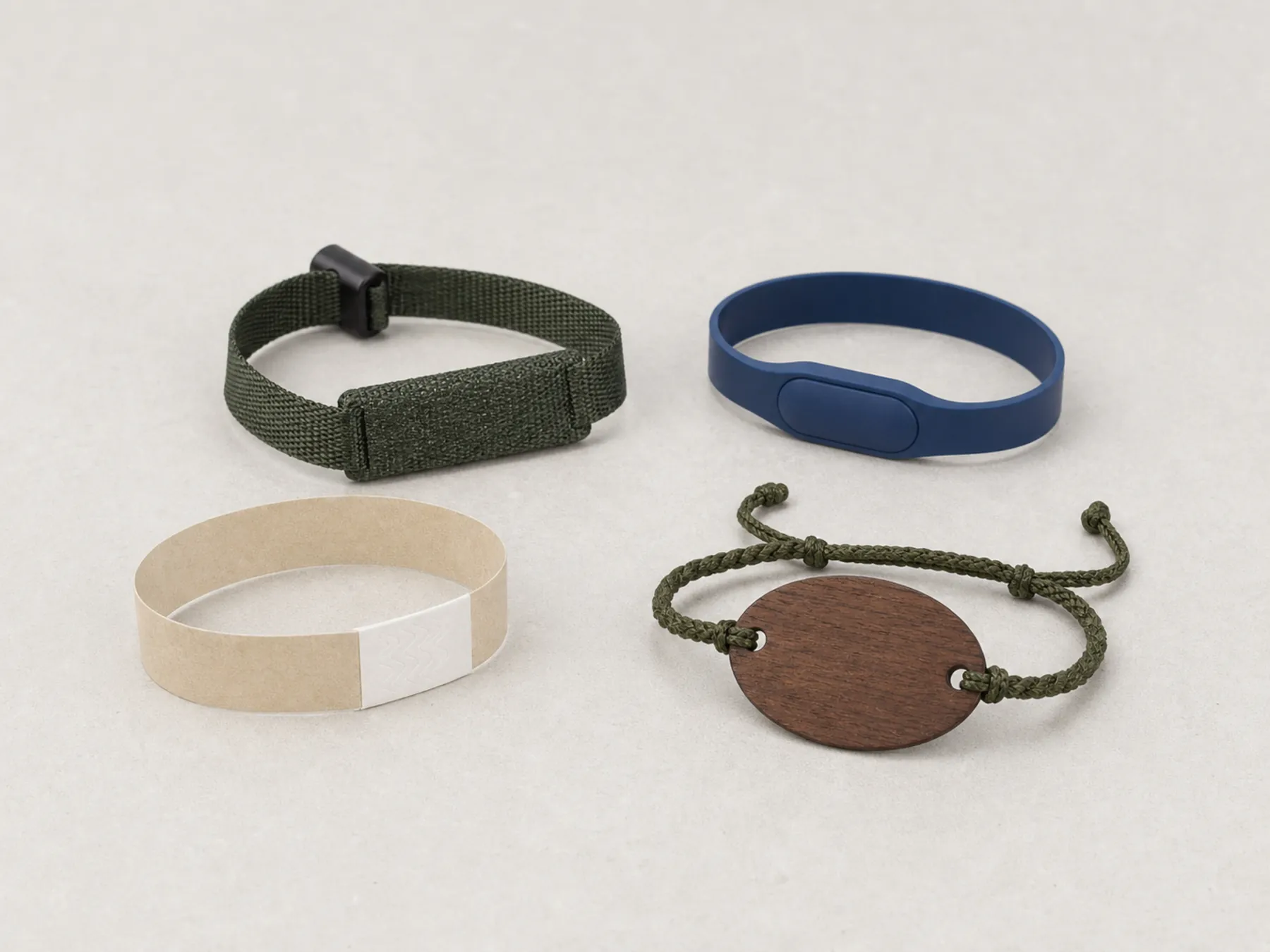
Credentials are ordered late in an opening because they feel small. They then arrive late, or arrive wrong, at exactly the moment a property has no slack at all.
- Work backwards from the opening date
- What you need before the guests
- Test when the readers are live, not before
- Artwork will change, so plan for it
- Day-one quantities
Work backwards from the opening date
Production is 14–21 days after artwork approval. Artwork approval needs a sample. A sample needs a confirmed credential specification. A confirmed specification needs the lock system to be installed, or at least configured and known.
That chain is why credentials should be raised when the lock package is awarded rather than when the rooms are furnished. The technical dependency, not the production time, is what determines the earliest possible order date.
- Lock package awarded
- Raise credentials now — the technical dependency starts here
- System configured
- Confirm credential type, encoding and numbering convention
- Sample
- Test at the actual doors once readers are live
- Artwork approved
- The 14–21 day production clock starts at this point
- Opening
- Plus commissioning stock, staff credentials and reissue allowance
What you need before the guests
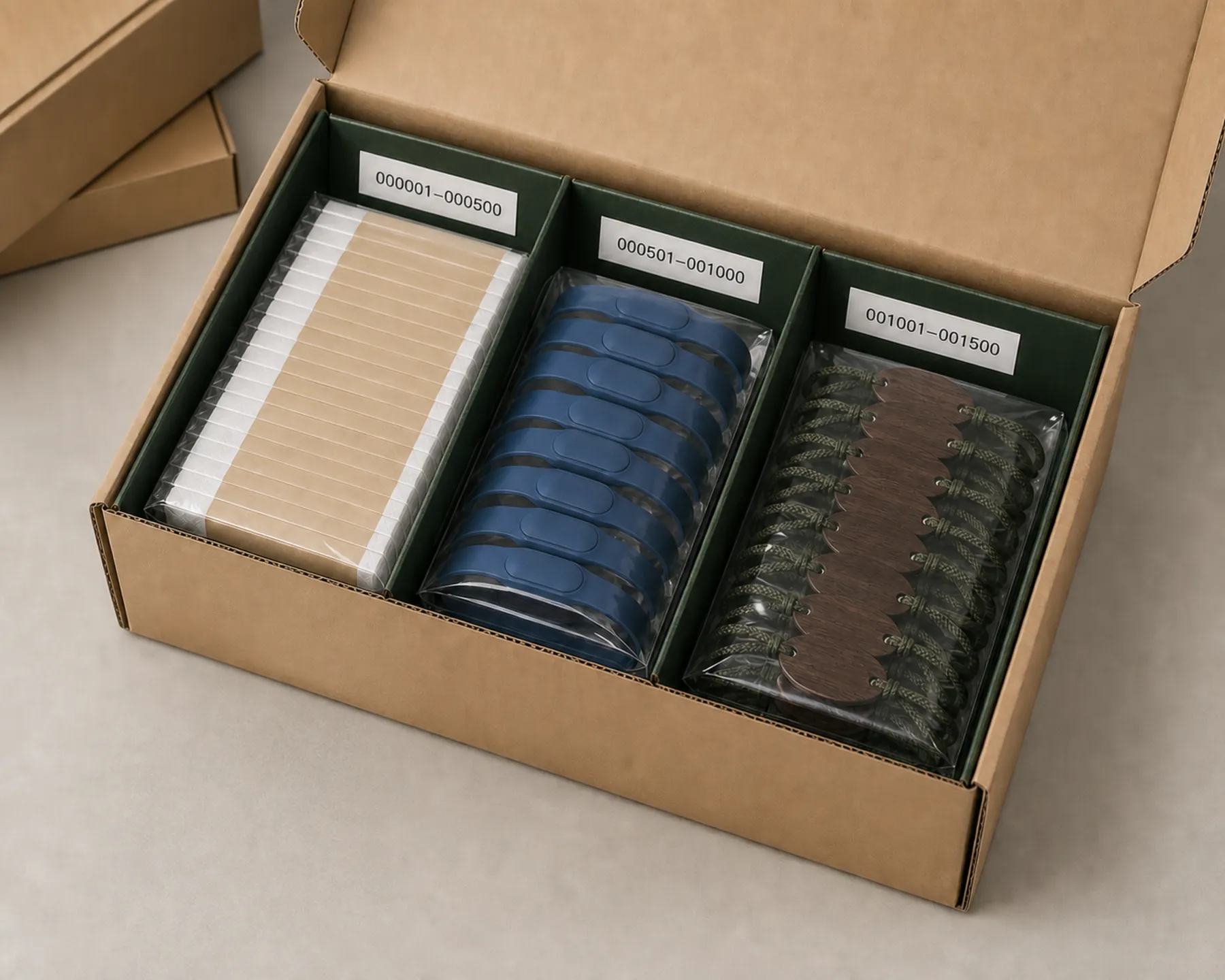
Staff and contractor credentials come first, often months first — construction teams, commissioning engineers and the pre-opening team all need access while the property is not yet a property.
That is usually a separate, plainer credential from the guest one, and it is worth ordering as such rather than issuing guest stock to a construction team and then wondering where it went.
Test when the readers are live, not before
A sample tested at a supplier’s desk or on a demonstration reader proves nothing about a building. The test that matters happens once doors are hung and readers are commissioned, which in most openings is uncomfortably late.
Build that into the plan rather than skipping it. A credential that has never been presented at the actual doors is an assumption, and openings are the worst possible time to discover an assumption was wrong.
Ask the lock supplier or integrator, in writing, which credential type the installation will be configured to accept. It costs one email and it unblocks everything downstream.
Artwork will change, so plan for it
Pre-opening brand work is rarely final when credentials need approving. Every change restarts the approval rather than adjusting it, and the production clock starts at approval.
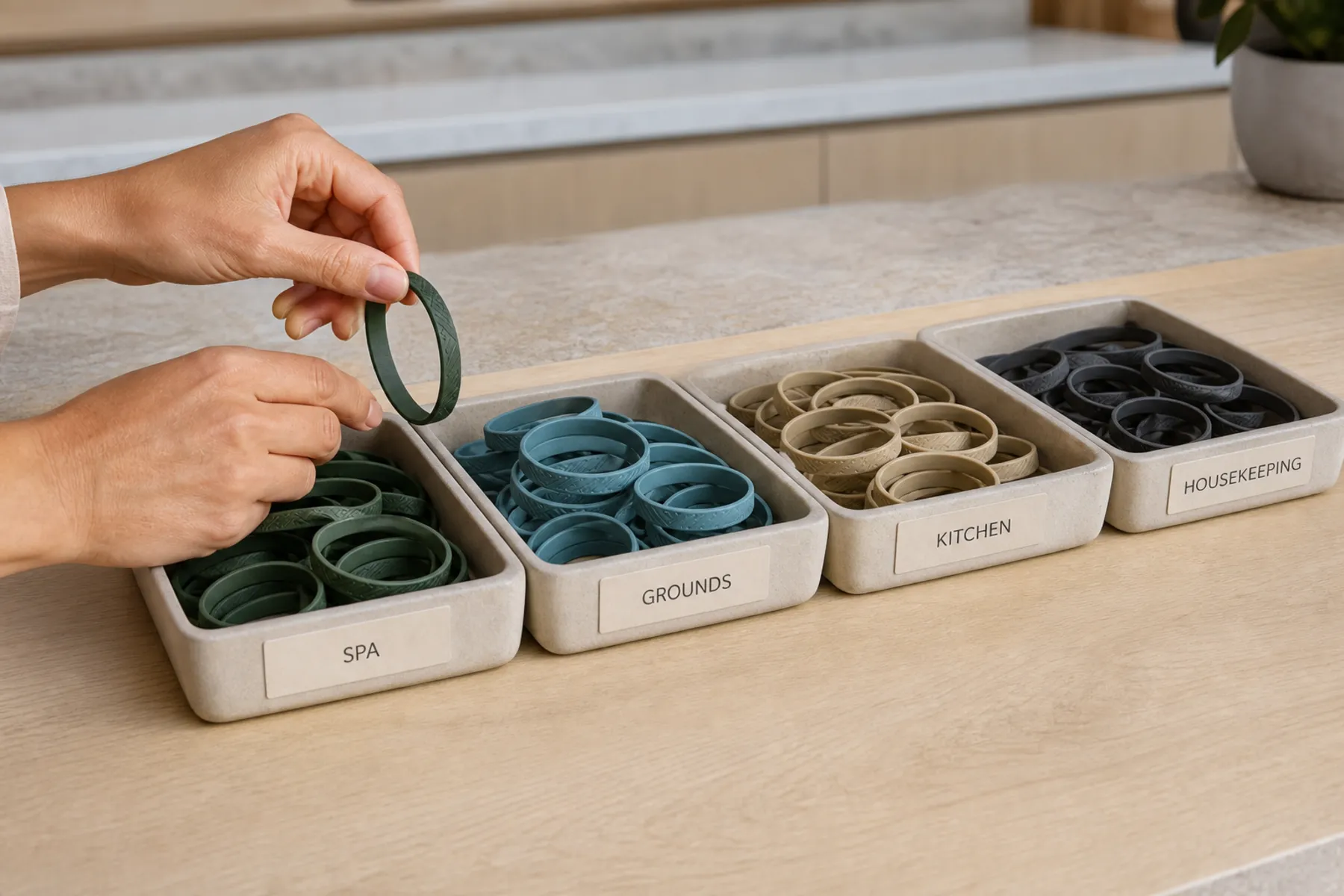
The way through is to keep the run artwork simple and stable — a mark and a colour — and put anything volatile on desk-printed credentials where a change costs nothing.
Day-one quantities
Opening occupancy is not steady-state occupancy, and the reissue rate in the first weeks is higher than it will ever be again: staff are learning, guests are being told things inconsistently, and procedures are not yet habits.
Order for that rather than for a mature month, and hold reissue stock in the same colourway so an early replacement is invisible.
Compatibility is confirmed against the property’s lock system, credential technology and encoding requirements before production. We do not claim universal compatibility.
Questions this raises
01When should we start on credentials?+
When the lock package is awarded. The production window is short; the technical chain in front of it is not, and it cannot start until the system is known and configured.
02Can we approve artwork before the brand is final?+
You can approve simple, stable run artwork — a mark and a colour — and keep everything volatile on desk-printed credentials. What you cannot do is approve twice without restarting the production clock.
03How much should we order for opening?+
More than a mature month suggests. The reissue rate in the first weeks is the highest it will ever be, because staff are learning and procedures are not yet habits. Reissue stock should match the main colourway so early replacements are invisible.