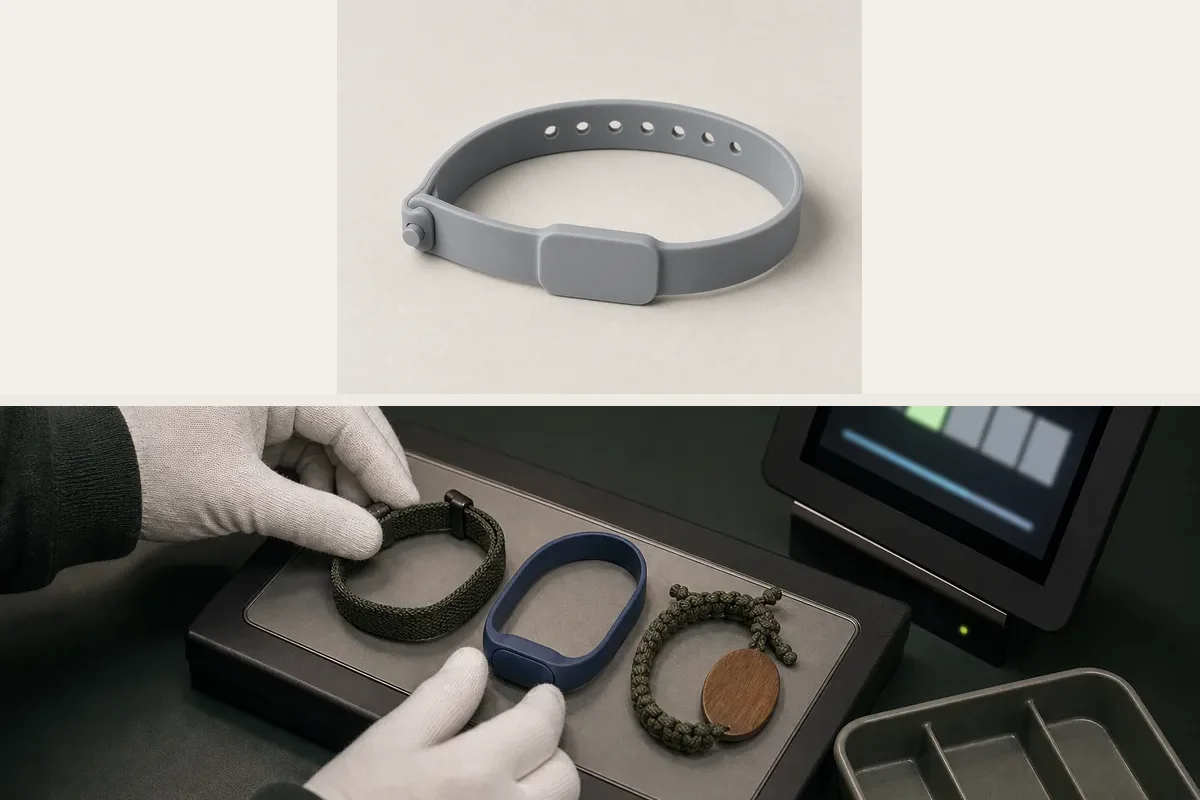
Replacement stock is the easy part of reissue. The real workflow verifies the guest, identifies every permission carried by the old credential, closes the old state where supported and records exactly what was restored to the new band.
Separate lost, damaged and uncomfortable bands
A lost credential may still be active and available to another person. A damaged credential may be physically present but unreliable. An uncomfortable band may work perfectly and simply need a different size or construction. The intake question matters because it changes how urgently the previous identifier must be deactivated and whether the old product can be inspected.
Give staff a short classification rather than a free-text story. Record whether the band is recovered, where the guest last used it and which functions the guest expects. Avoid asking staff to infer permissions from colour or appearance; the controlled guest and system records should provide that answer.
Verify the guest before rebuilding access
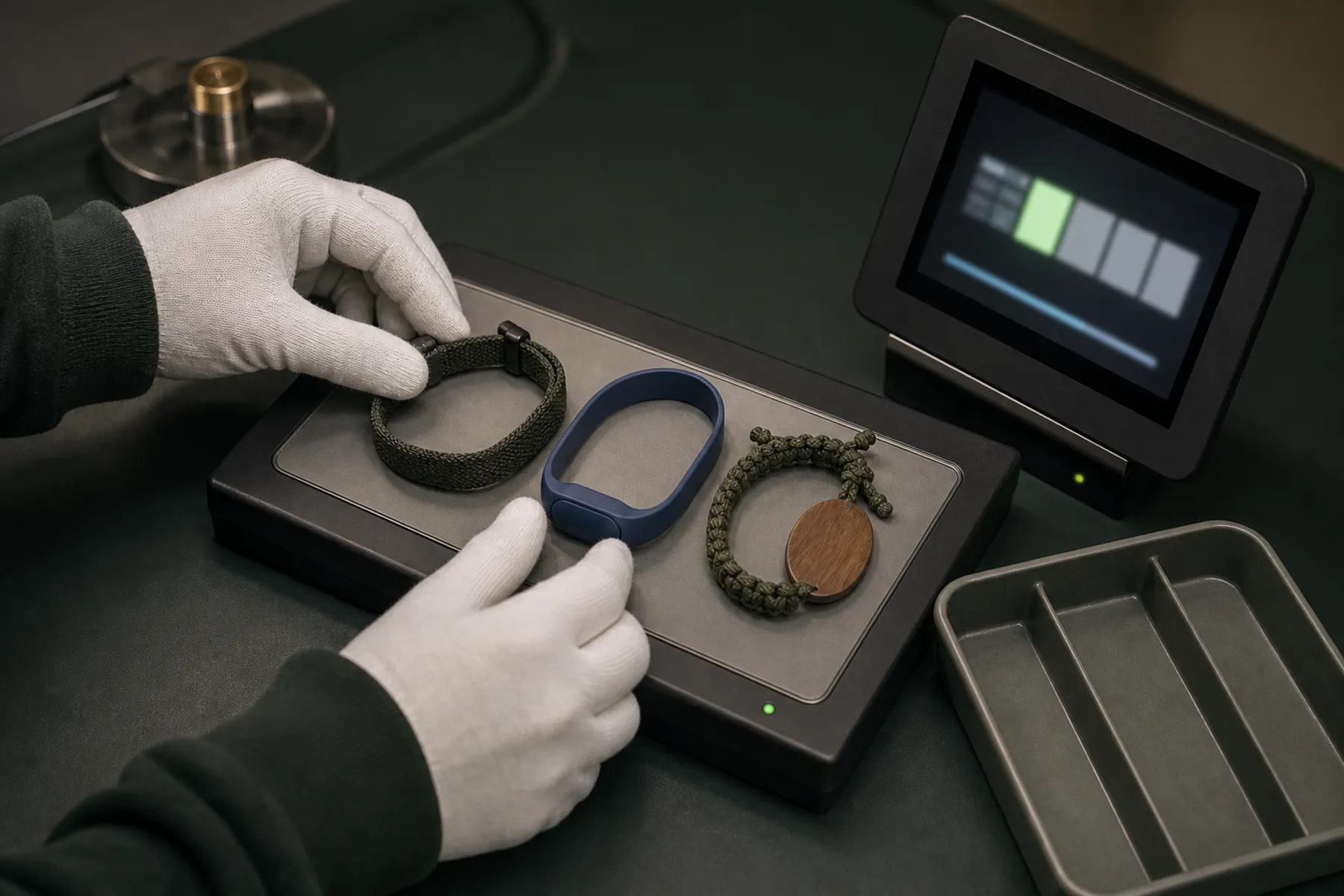
Use the property’s approved identity and guest-verification process before issuing a replacement. The appropriate check depends on the operation and should be set by the operator, not improvised by a wristband supplier. Family, day-visitor and group cases may have different authorised contacts or records.
A recovered damaged band can support diagnosis, but possession alone should not replace the property’s verification rule. Likewise, a room number or band colour spoken at a busy desk should not be treated as sufficient proof. Keep the exchange discreet and move sensitive checks away from public queues where the operation permits.
Deactivate first, then enroll the replacement
Identify the previous credential in every connected system in scope and revoke or suspend it where those platforms support that action. Then enroll the new identifier with the permissions the guest should still have. The sequence helps avoid an accidental overlap, but the exact controls and timing must be confirmed with each installed system.
Do not copy permissions blindly if the guest has changed room, group, stay dates or payment status. Reissue is a controlled opportunity to read the current record. Where multiple platforms are involved, use a checklist so room, locker, gate and payment functions are not restored unevenly.
- Locate
- Find the guest and previous credential record without relying on the visible band alone.
- Close
- Revoke, suspend or flag the old identifier in each supported system.
- Issue
- Select the correct approved construction and size from controlled stock.
- Enroll
- Apply current permissions to the new identifier through authorised workflows.
- Confirm
- Test only the functions in scope and record unresolved exceptions.
Test the replacement without creating a second queue
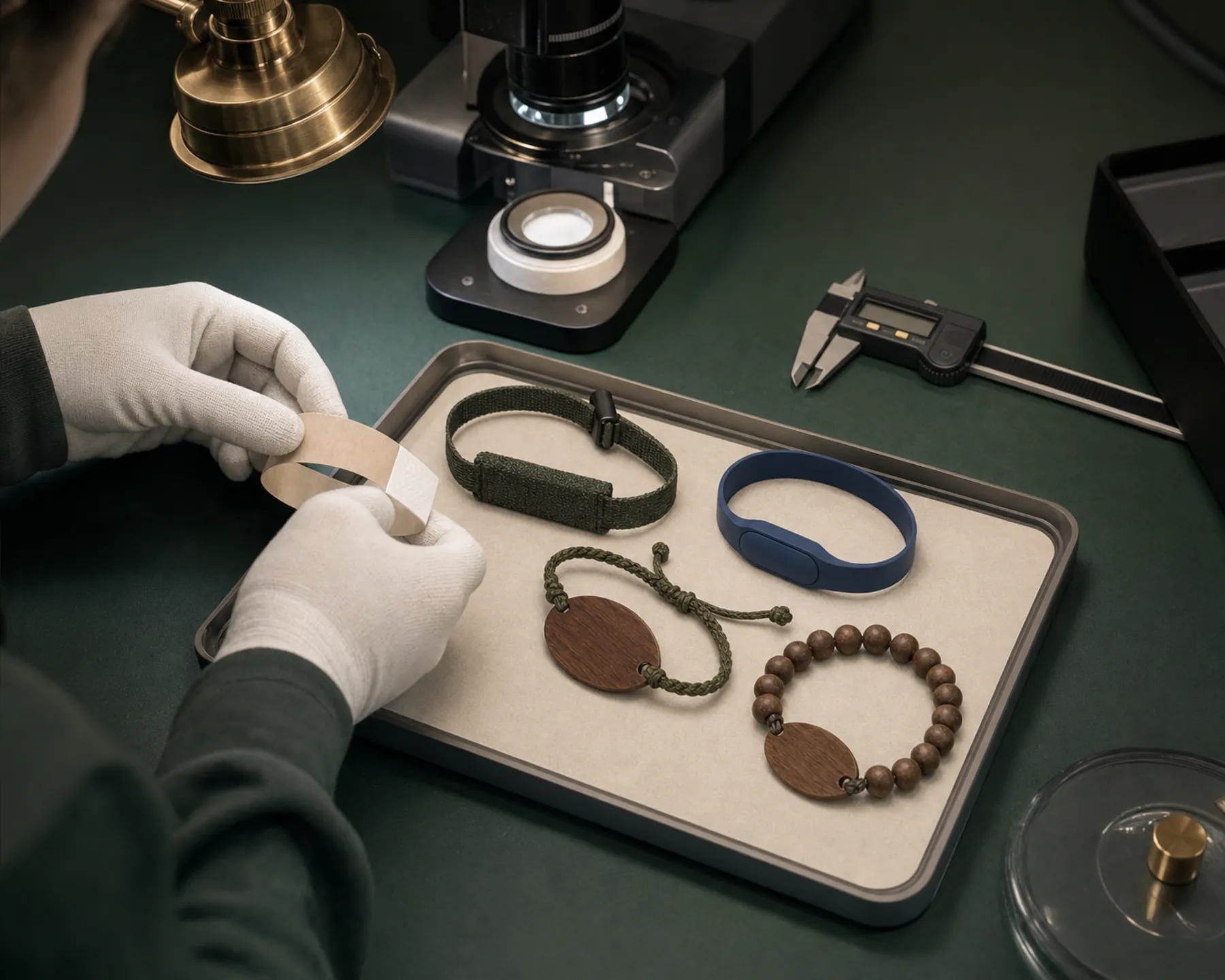
At minimum, confirm the function that caused the guest to request help and any safety-critical or room-access function included in the band. A full property tour is not a realistic desk procedure, so define which checks happen immediately and which systems provide a reliable status confirmation.
If one permission cannot be restored, explain the interim path and assign an owner rather than issuing another band. Repeated replacements can hide a reader, configuration or stock problem. The credential failure guide helps separate a physical band failure from a reader or enrollment issue.
When a second replacement behaves like the first, stop treating the wristband as the only suspect. Check the reader, system state and enrollment input before issuing again.
Use the reissue log to improve the specification
Record reason, location, construction, wear time and outcome without adding unnecessary personal data. Patterns distinguish operational loss from product damage: bands lost mainly at one activity point suggest a workflow issue; closures failing after the same exposure suggest a construction or test-plan issue.
Review the log with stock counts and retained samples. Adjust size mix, closure, issue instruction or replacement locations based on evidence, then carry the change into the approved order reference. The goal is not zero reissue; it is a reissue process that is controlled, quick and capable of showing why replacements occur.
Compatibility is confirmed against the property’s lock system, credential technology and encoding requirements before production. We do not claim universal compatibility.
What to send with an enquiry
Include the installed system model, an existing credential sample where possible, quantity, expected wear period, guest types, controlled zones and artwork direction. For material-led options, state the evidence or production documentation your procurement team expects.
FSC-certified material options available with supporting production documentation.
No named hotel or customer project is used as proof. The reasoning behind that stance is set out on the about page.