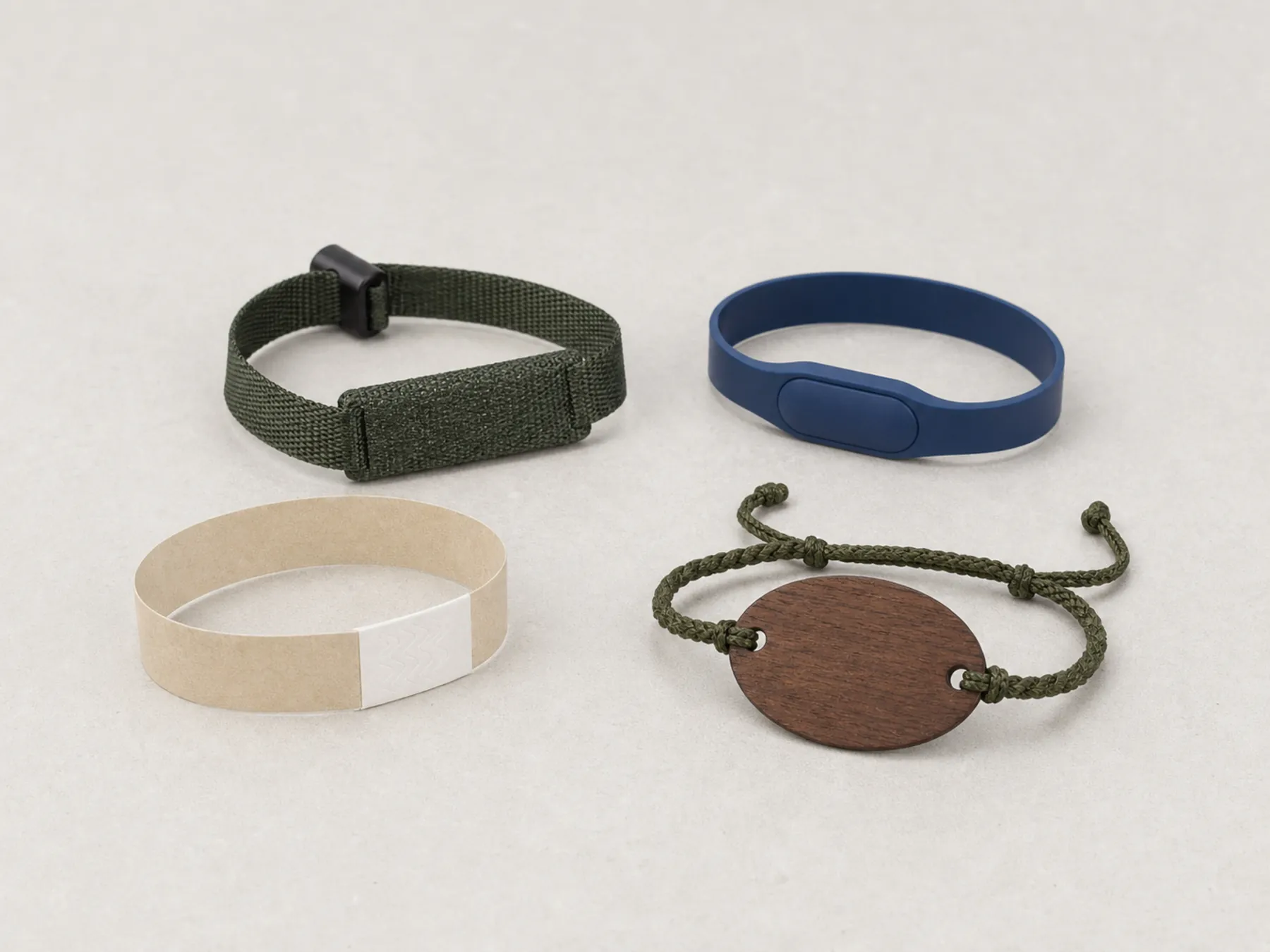
Small properties usually ask the wrong question about minimum orders. The number that decides your order is not how many rooms you have — it is how many artworks you are asking for, and most properties do not realise they have asked for four.
The minimum applies per artwork, and that is the whole trap
Minimum order is 500 pieces per artwork, with 14–21 days production after artwork approval. A 40-key property hearing “500” thinks it is buying several years of stock, which is true — until the specification quietly contains four artworks.
A different colour is usually a separate count. A different size in a moulded or strung product is a separate part. A spa version of the design, a villa version and a staff version are three artworks. What began as one order of 500 becomes 2,000 pieces and a storage problem, and none of it was a supplier decision.
How to get to one artwork
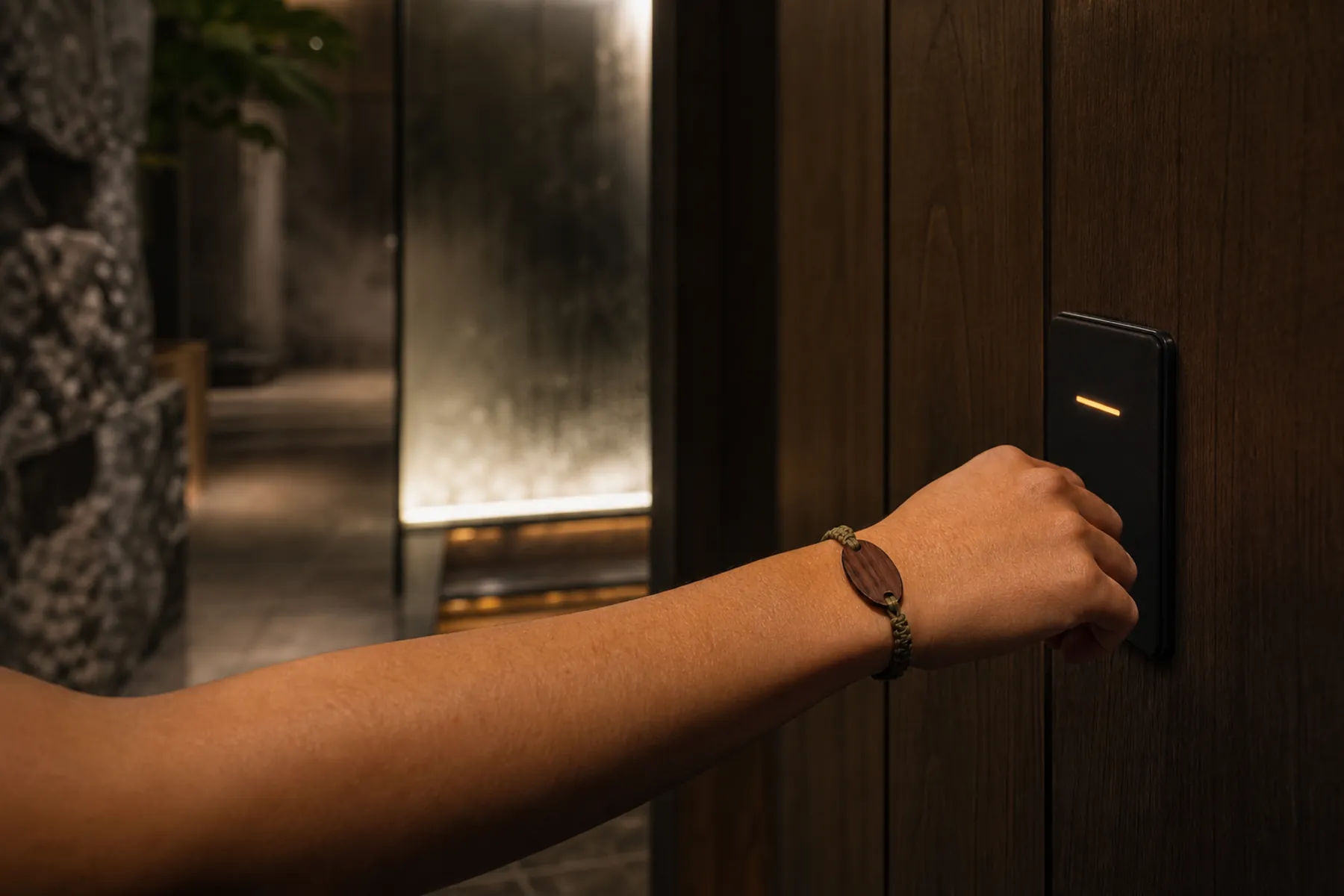
The discipline is to let the credential be the same object everywhere and let something else carry the difference. One mark, one colour, one construction for guests — and then a distinct day-visitor credential in a cheap format for the population that genuinely has to look different.
Where a property wants a premium tier, a second colour of the same construction is far cheaper than a second design, and it usually reads better: two colours of one object look like a system, two designs look like two suppliers.
Things that quietly create a second count:
- A second colourway of the same design
- A separate size in a moulded or strung construction
- A villa, spa or restaurant variant of the mark
- A staff version with different wording
- A dated or seasonal element in the artwork
Recovery changes the horizon more than quantity does
Five hundred credentials issued once and never returned is roughly a season at a small property. Five hundred credentials recovered at checkout and reissued is several years. The single most valuable decision a small property makes is not the quantity — it is whether the credential comes back.
That decision has product consequences: a recovered credential must survive cleaning, which rules out porous faces and soft cords, and it needs a recovery step at checkout that staff will actually perform.
Keep the artwork dateless
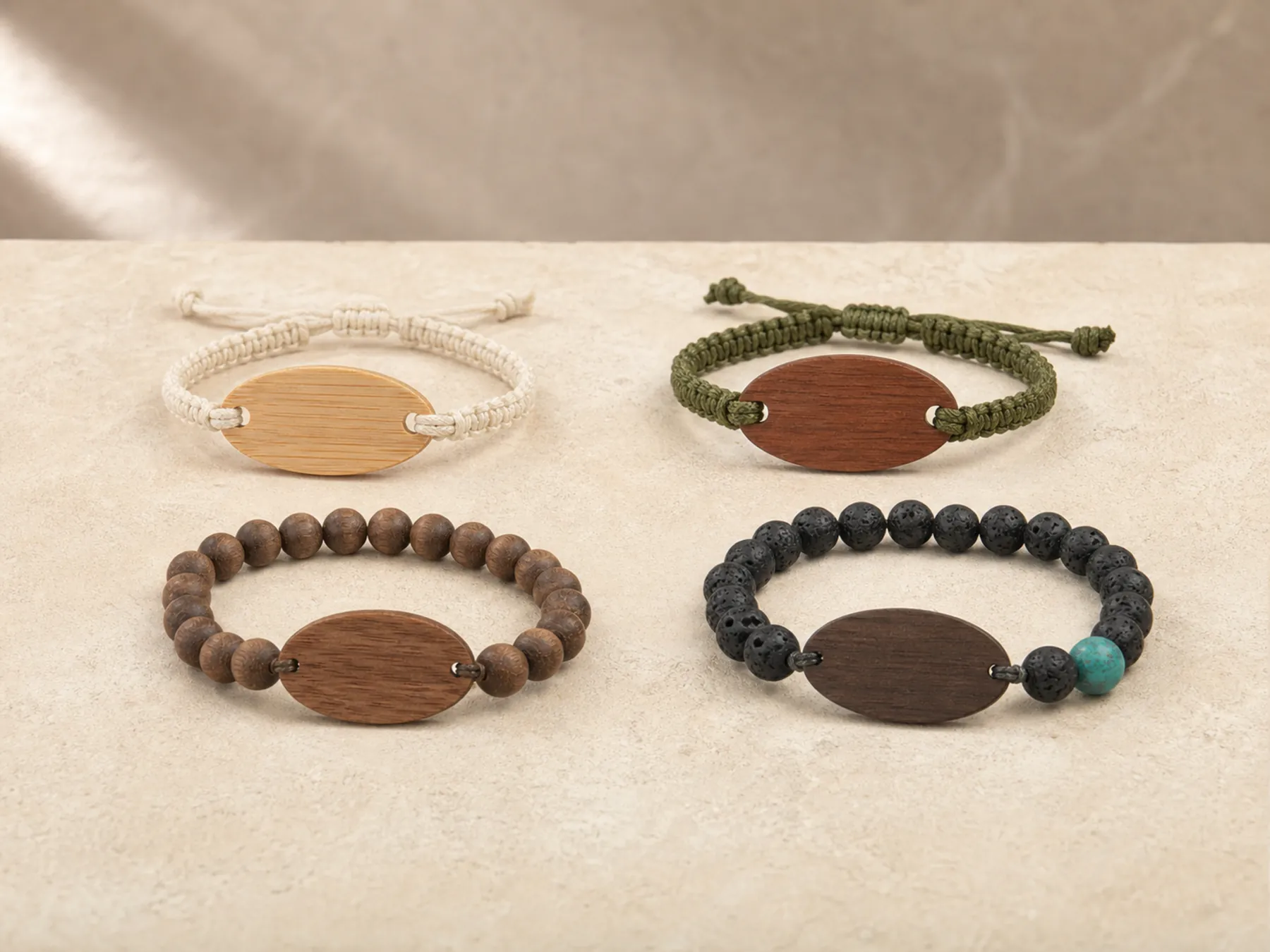
A year, a season or an event on the artwork converts stock into something with an expiry. For a property ordering once every few years that is an expensive piece of styling.
The same applies to anything likely to change: a sub-brand, a restaurant name, a partner logo. Put those on a printed day credential where they cost nothing to change, and keep the long-life stock generic.
What we would order for a forty-key property
One artwork, one construction, one colour for resident guests, ordered at the minimum. A small quantity of a second colour only if a premium tier genuinely exists. A separate, cheap day credential for visitors. A staff credential using a pouch construction so the band outlives the person.
That is one count, one approval cycle and one reorder record, and it covers every population a small property actually has.
Write down every version of the credential you are imagining. If the list is longer than two, the order is longer than 500 — and the way to shrink it is design restraint, not negotiation.
The minimum order is 500 pieces per artwork, and production runs 14–21 days after artwork approval. The clock starts at approval, not at enquiry. A property that wants four colourways is therefore planning four counts of 500 rather than one shared count, which is why the artwork map decides the order size more than the guest headcount does.
Compatibility is confirmed against the property’s lock system, credential technology and encoding requirements before production. We do not claim universal compatibility.
What to send with an enquiry
Include the installed system model, an existing credential sample where possible, quantity, expected wear period, guest types, controlled zones and artwork direction. For material-led options, state the evidence or production documentation your procurement team expects.
FSC-certified material options available with supporting production documentation.
No named hotel or customer project is used as proof. The reasoning behind that stance is set out on the about page.