The hard part of replacing a card estate is not the new card. It is the weeks or months where some doors read the old credential, some read the new one, and guests do not know which they are holding.
- Map the estate before ordering anything
- Decide how the transition period works
- The desk is where a migration is felt
- Retire the old estate deliberately
- What to keep from the old specification
Map the estate before ordering anything
Which readers accept which credential today, by wing, by floor, by service door. Which ones are being changed, when, and by whom. Which are not in the project at all — lockers, gates, staff doors, a spa that was installed separately.
The doors nobody remembered are what turn a clean migration into a long tail. It is normal to find two or three reader populations that were not on the original list.

Decide how the transition period works
Three options in practice. Run both credential types in parallel and issue by wing, which is simplest to specify and hardest at the desk. Change the readers first and issue new credentials on a single date, which is cleanest for guests and demands a fast reader programme. Or use a credential containing both technologies, which is a specification decision with a size and cost implication.
Each is defensible; what is not is discovering at handover that nobody decided which one was happening.
- Parallel issue
- Two credential stocks, issued by wing. Simple to order, hard at the desk.
- Readers first
- One switchover date for guests. Cleanest, needs a fast reader programme.
- Dual technology
- One credential covers both. Removes the desk problem, at a cost.
The desk is where a migration is felt
For the whole transition, a receptionist has to know which credential a guest needs, which wing they are in, and what to do when they present the wrong one at the wrong door. That is a training and signage problem far more than a product one.
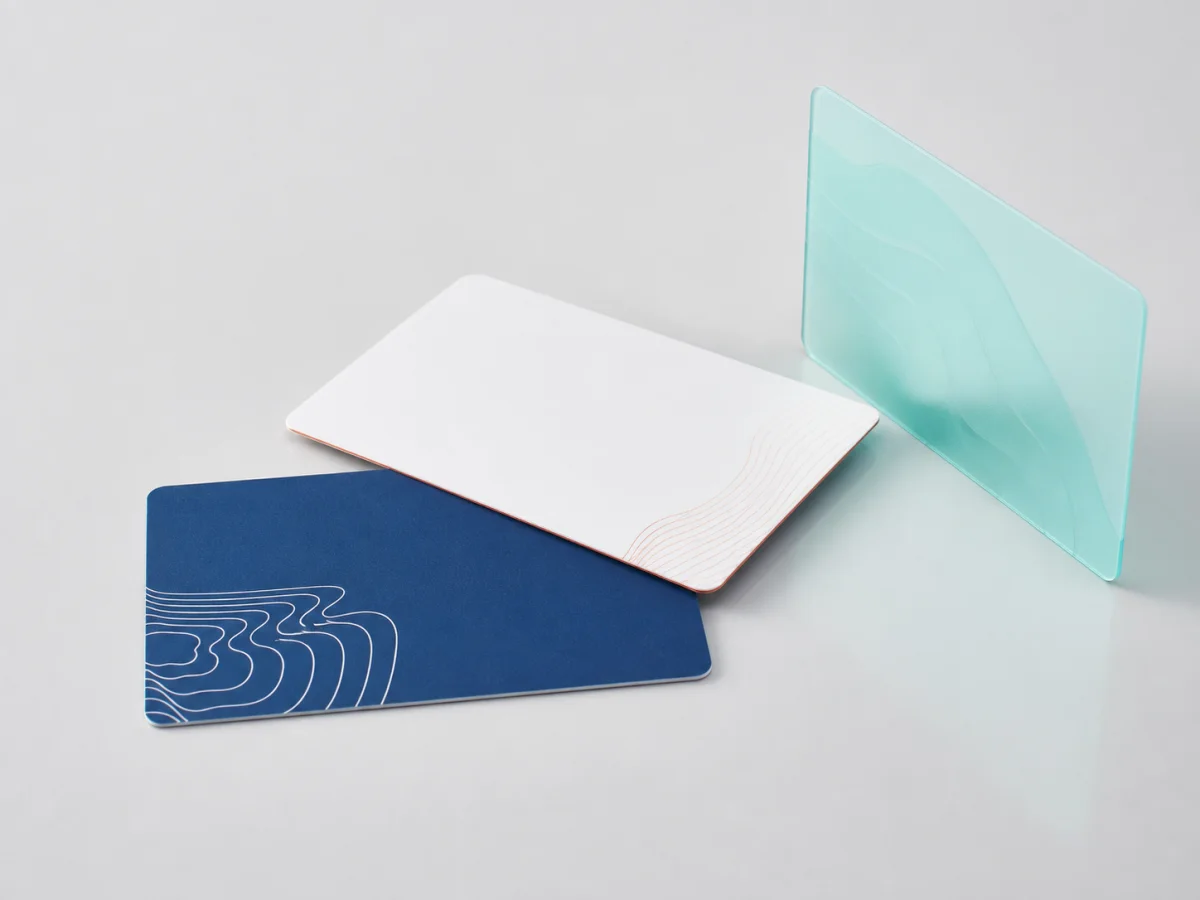
A visible difference between old and new credentials — colour, format — is worth the cost purely to make that conversation shorter.
Retire the old estate deliberately
Old credentials do not disappear. They are in drawers, in guest luggage, in a box behind reception. Unless they are collected and disabled, the property has completed a migration and kept the old risk.
Set a date after which old credentials stop working, communicate it, and physically collect what can be collected. A migration without a retirement date is not finished.
Set the date the old credentials stop working, disable them centrally, and collect what you can. Otherwise the estate you replaced is still an estate.
What to keep from the old specification
The numbering convention, usually — continuity makes an estate auditable across the change. Sometimes the artwork, if it is working. Rarely the format, since a migration is the natural moment to reconsider whether cards, wristbands or both suit the property now.
This is the one point in a credential programme where every assumption is already open, which makes it the cheapest time to change the ones that were wrong.
Compatibility is confirmed against the property’s lock system, credential technology and encoding requirements before production. We do not claim universal compatibility.
Questions this raises
01Should we run both credential types during the change?+
It is the simplest to order and the hardest at the desk, because staff have to know which guest needs which. Changing readers first gives guests one switchover date and demands a fast reader programme; a dual-technology credential removes the desk problem at a cost.
02What usually gets missed?+
Reader populations nobody listed — lockers, gates, staff doors, a spa installed separately. It is normal to find two or three, and finding them before ordering is much cheaper than after.
03When is a migration finished?+
When the old credentials stop working and have been collected, not when the new ones are issued. Without a retirement date the property has added an estate rather than replaced one.