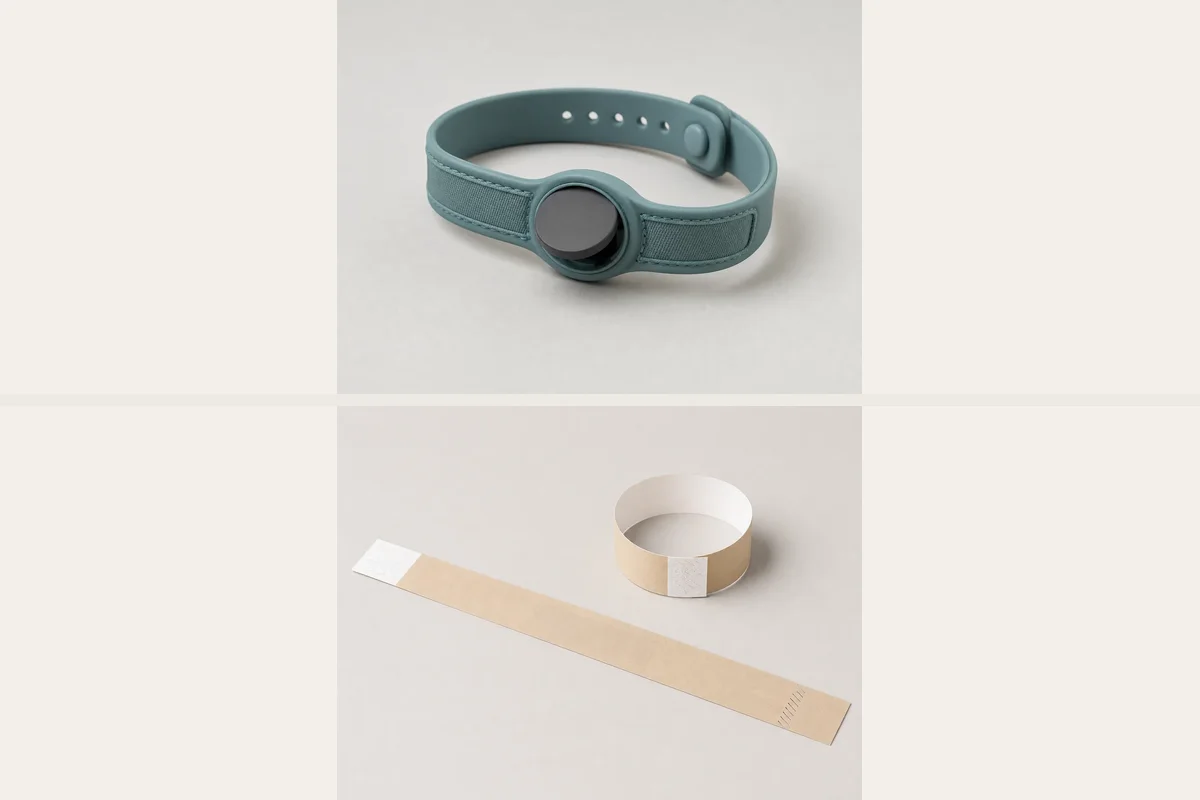
A removable module can reduce the number of electronic components discarded, but only when the property can recover, inspect, clean, count and reissue it. Compare the complete operating loop with the complete single-use loop—not the two materials in isolation.
Define what is reused and what is replaced
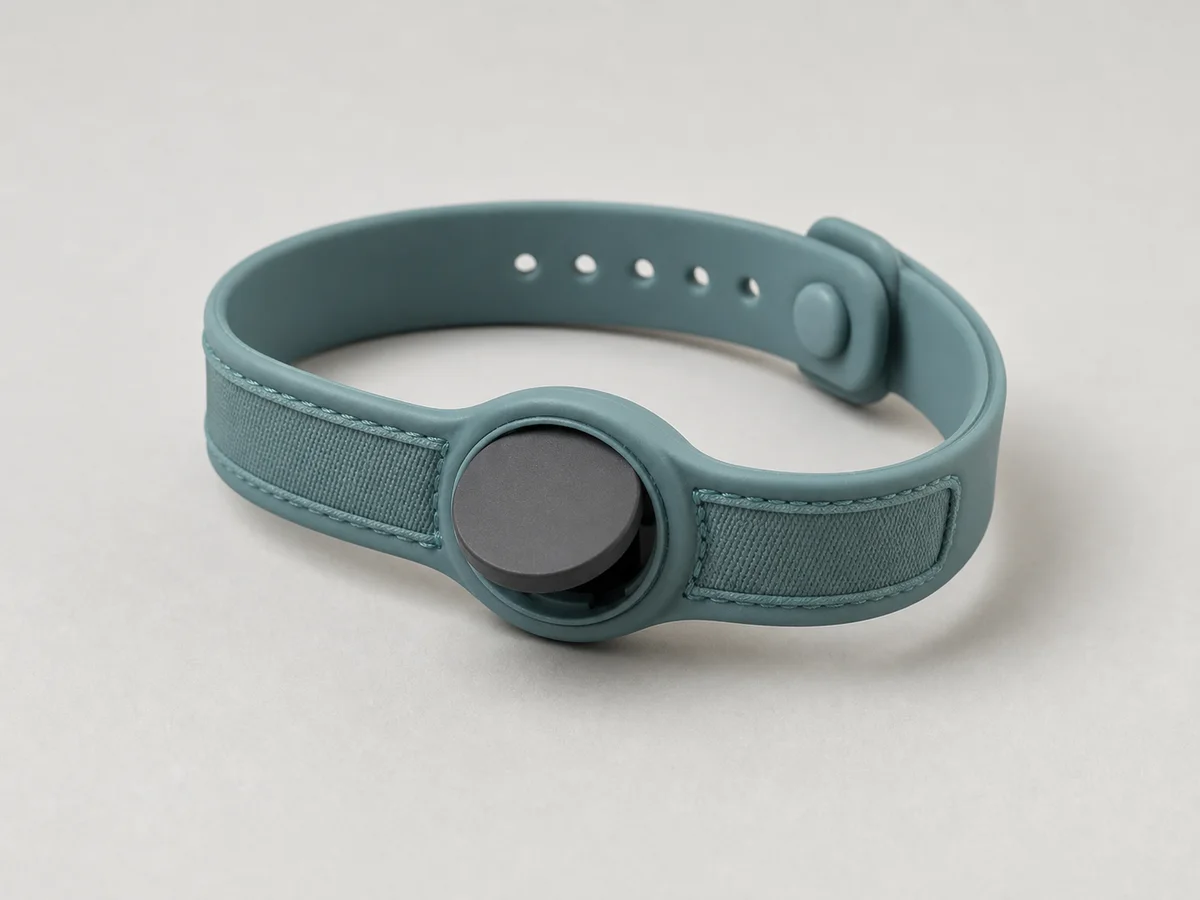
A modular construction normally separates the sealed credential component from a carrier. The module may be recovered while the strap is cleaned, replaced or routed separately. That is a different product architecture from a coated-paper band with an integrated electronic component, where the whole credential is managed as one item after use.
Write the boundary plainly: module, carrier, closure and any insert. Then ask what happens to each part after checkout or event exit. Claims about the carrier do not describe the electronics, and a reusable module does not make the entire programme circular. The outcome depends on the recovery rate and the route available for every part.
Model the recovery workflow before comparing unit cost
A recovered module needs a collection point, counted transfer, inspection, cleaning method, functional test and secure storage before it can return to issue stock. Each step has labour and loss exposure. If guests leave with the modules or staff cannot distinguish tested from untested stock, the theoretical reuse count will not appear in practice.
Single-use wristbands require less reverse handling. They can be issued quickly and removed from circulation after the stay, but the property purchases a new credential for each issue and still needs an appropriate end-of-use route. Compare total programme work: receiving, fitting, replacement, collection, cleaning, testing, loss and reorder—not supplier price alone.
- Reusable module
- Higher recovery and control requirement; value depends on return, inspection and repeat issue.
- Reusable complete band
- Simpler part count; needs cleaning, fit checks and an agreed return method.
- Single-use band
- Fast issue and clear retirement; a new complete credential is required for each use.
- Mixed programme
- Reusable residents plus single-use visitors; stock and permission roles must stay distinct.
Treat hygiene and function as two separate release checks
A band can look clean and still need a read test; it can read correctly and still be unsuitable to reissue. The property should define an approved cleaning process for the exact materials and a separate functional check for the sealed module and closure. Supplier material guidance can inform that process, but the operator owns the on-site hygiene procedure.
Inspect module edges, carrier retention and any deformation caused by removal. A pop-out design is only reusable if the module seats securely again in the approved carrier. Keep failed modules and failed carriers out of ready stock with a physical quarantine route rather than a note somebody may miss.
Count real recovery rather than expected reuse
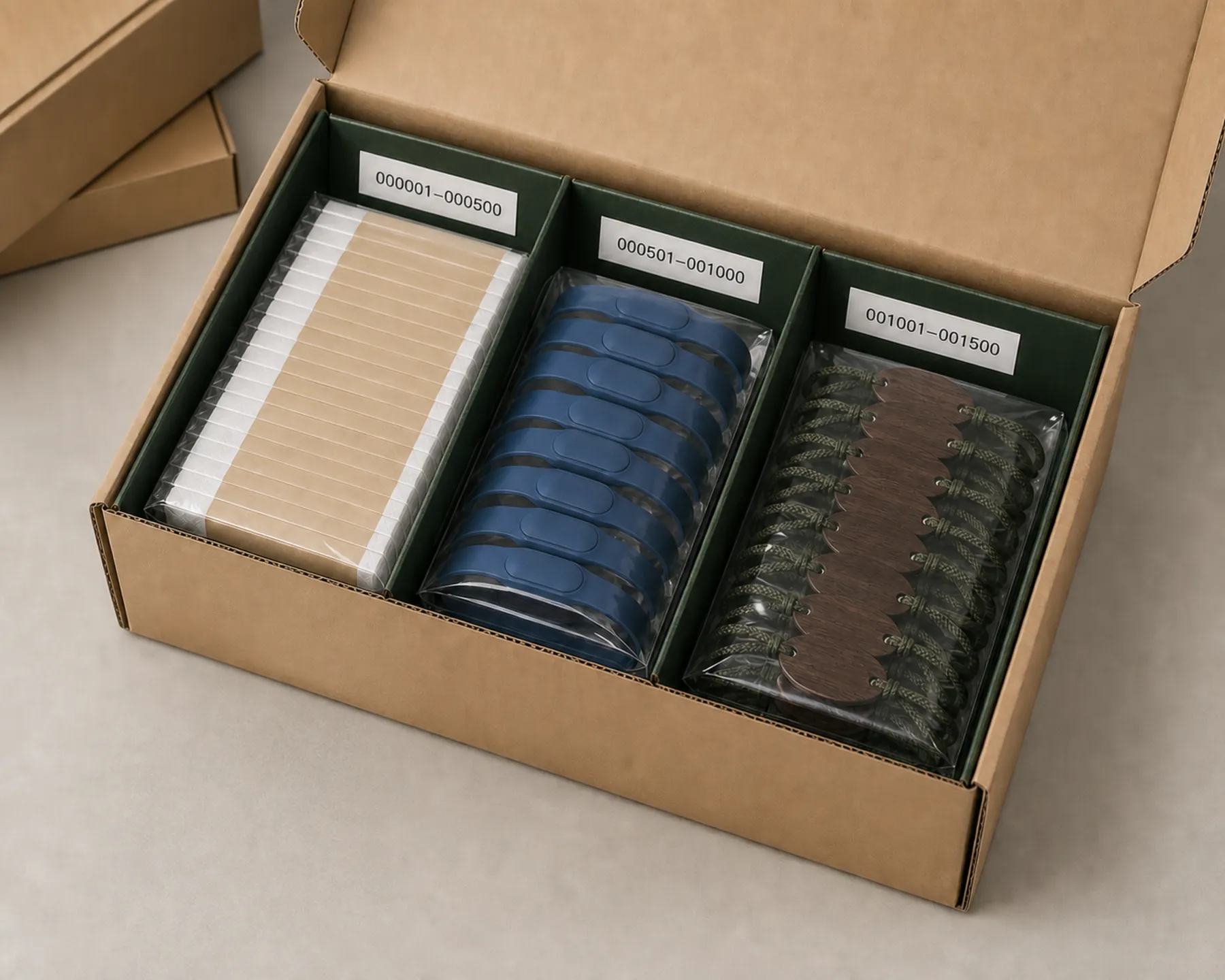
Begin with issued modules, then record how many return, how many pass inspection and how many are issued again. That simple stock movement shows whether the operating model works. It also reveals where losses occur: guest departure, housekeeping collection, transport to the cleaning point or failed testing.
Use the result to adjust collection points and spare stock. A high-value module may justify a visible return prompt or controlled checkout procedure; a day-use band may not. Do not publish a waste or environmental reduction claim until the property has measured the actual programme and defined what the comparison includes.
A component becomes reusable when the property repeatedly recovers and releases it through a controlled process. Product design enables that process; it does not prove the outcome.
Choose by guest type and operational capacity
A long-stay resort with controlled checkout may support a reusable loop. A beach day pass with many exit points may favour a one-time band. A mixed property can use both if stock, colours and system permissions make the roles unmistakable. The removable-module model and coated day-pass model show the physical difference.
Pilot the recovery route with the same care as reader performance. The best construction is the one the property can operate consistently after the guest stops wearing it.
Compatibility is confirmed against the property’s lock system, credential technology and encoding requirements before production. We do not claim universal compatibility.
What to send with an enquiry
Include the installed system model, an existing credential sample where possible, quantity, expected wear period, guest types, controlled zones and artwork direction. For material-led options, state the evidence or production documentation your procurement team expects.
FSC-certified material options available with supporting production documentation.
No named hotel or customer project is used as proof. The reasoning behind that stance is set out on the about page.